How to Transplant Ivyleaf maple?
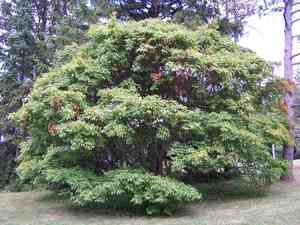
Ivyleaf maple flourishes when relocated in the middle to latter part of spring or during early winter, owing to the more moderate climate. Optimal sites provide dappled sunlight and soil that drains effectively. Guarantee uniform soil dampness to foster strong root development.
What Preparations are Needed Before Transplanting Ivyleaf Maple?
What is the Ideal Time for Transplanting Ivyleaf Maple?
Ivyleaf maple is best moved in mid to late spring, as the warming ground and increasing daylight promote robust root development. Early winter is also suitable, allowing roots to establish before spring growth. Relocating during these periods minimizes stress and maximizes successful adaptation. Proper timing ensures healthy plant growth and resilience.
How Much Space Should You Leave Between Ivyleaf Maple Plants?
When relocating ivyleaf maple, aim for a spacing of 20-30 feet (6-9 meters) between plants. This provides ample room for expansion and ensures optimal air circulation, which helps prevent disease and encourages healthy growth. Achieving this spacing will create a flourishing environment for your ivyleaf maple to thrive.
What is the Best Soil Mix for Ivyleaf Maple Transplanting?
For ivyleaf maple, utilize well-draining soil enriched with organic matter such as compost. This plant prefers slightly acidic to neutral pH levels. Incorporate a base fertilizer formulated for trees and shrubs prior to planting, to ensure roots have access to vital nutrients from the outset.
Where Should You Relocate Your Ivyleaf Maple?
Select a site that receives full sun to partial shade for transplanting ivyleaf maple. This means at least 4-6 hours of direct sunlight daily. Ensure the location is protected from strong winds, as these can stress young plants and hinder growth.
What Equipments Should You Prepare Before Transplantation Ivyleaf Maple?
Gardening Gloves
To safeguard your hands while handling soil and plants.
Shovel or Spade
For excavating around the plant and preparing the new planting site.
Hand Trowel
To assist in removing smaller plants or managing delicate root systems.
Watering Can or Hose
To moisten the soil before and after the relocation.
Pruning Shears
For trimming any damaged or excessively long roots.
Wheelbarrow
For moving the plant, especially larger specimens.
Mulch
To help retain moisture around the newly transplanted plant.
How Do You Remove Ivyleaf Maple from the Soil?
How Do You Remove Ivyleaf Maple from the Soil?
From Ground: First, hydrate the ivyleaf maple plant to moisten the soil. Next, excavate a wide trench around the plant using a shovel or spade, ensuring the plant's root ball remains intact. Carefully work the spade beneath the root ball to lift the plant from its original spot.From Pot: Gently tap the sides of the container to loosen the soil. Hold the plant's base and carefully tip the pot to slide the plant out, making sure to support the root ball. If the plant is stuck, use a hand trowel around the edges to help release it.From Seedling Tray: Dampen the soil in the tray to facilitate seedling removal. Use a hand trowel or your fingers to gently lift the seedlings from the tray, taking care to keep as much of the root system intact as possible.
Step-by-Step Guide for Transplanting Ivyleaf Maple
Location Choice
Select a site with adequate sunlight and room for your ivyleaf maple plant to reach its mature size.
Prepare Planting Hole
Dig a hole twice as wide and the same depth as the plant's root ball. This will allow roots to spread easily.
Condition Soil
If necessary, amend the soil in the planting hole with compost to enhance drainage and nutrient content.
Plant Placement
Position the ivyleaf maple plant in the center of the hole. Ensure the top of the root ball is level with the surrounding soil surface.
Fill and Firm Soil
Backfill the hole with soil, gently pressing it down to eliminate air pockets.
Water Thoroughly
Water the plant generously to help settle the soil around the roots.
How Do You Care For Ivyleaf Maple After Transplanting?
Watering
Keep the soil around the ivyleaf maple consistently moist, but not waterlogged, for the initial weeks post-transplant to aid in strong root establishment.
Mulching
Apply a 2-3 inch layer of mulch around the plant's base to retain moisture and regulate soil temperature.
Monitoring
Regularly inspect the plant for signs of stress, such as wilting or yellowing leaves, and take corrective actions as needed, like adjusting watering or checking for pests.
Avoiding Stress
Aim to minimize the plant's stress by avoiding transplanting during the hottest part of the day and ensuring it receives the correct amount of water and nutrients.
Troubleshooting Common Issues with Ivyleaf Maple Transplantation.
When is the best time to transplant ivyleaf maple?
The optimal period to relocate ivyleaf maple is mid to late spring or early winter.
How much spacing is needed between ivyleaf maple plants?
Space ivyleaf maple plants 20-30 feet (6-9 meters) apart to ensure proper growth and air circulation.
What soil type is ideal for transplanting ivyleaf maple?
Ivyleaf maple thrives in well-draining, fertile soil with a slightly acidic to neutral pH level.
Why are my transplanted ivyleaf maple leaves wilting?
Wilting leaves may indicate transplant shock. Ensure consistent watering and initially avoid direct intense sunlight.
How much water does a newly transplanted ivyleaf maple need?
Water the newly transplanted ivyleaf maple thoroughly, keeping the soil moist but not saturated until established.
Should I fertilize ivyleaf maple immediately after transplanting?
Refrain from immediate fertilization. Wait until new growth appears before applying a balanced, slow-release fertilizer.
How deep should I plant ivyleaf maple during transplanting?
Plant ivyleaf maple at the same depth it was previously growing to prevent stress and root problems.
What temperature conditions are ideal for transplanting ivyleaf maple?
Relocate ivyleaf maple when temperatures are mild, ideally between 50-70°F (10-21°C), to reduce stress.
How do I protect ivyleaf maple from transplant shock?
To minimize shock, water well, mulch around the base, and avoid pruning immediately after transplanting.
Can I transplant ivyleaf maple during very hot weather?
Avoid relocating ivyleaf maple during high temperatures as it increases stress and the risk of transplant failure.



