How to Transplant Field maple?
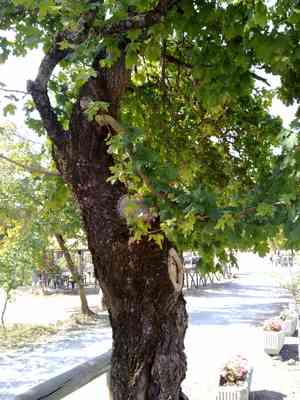
The optimal period for relocating field maple is in early spring, providing ample opportunity for root development prior to the summer season. Select a location that receives full sun to partial shade and features soil with good drainage. Should it be necessary, amend the area with compost to prepare it for the field maple's arrival.
What Preparations are Needed Before Transplanting Field Maple?
What is the Ideal Time for Transplanting Field Maple?
The best time to move field maple is during early spring, typically from the beginning to the middle of the season. This period is when the plant is emerging from dormancy, but before the intense heat of summer, which helps minimize transplant shock. Moving field maple at this time allows its roots to establish well, taking advantage of the upcoming growth cycle. This timing strengthens field maple before summer's warmth, ensuring a strong start in its new spot.
How Much Space Should You Leave Between Field Maple Plants?
When preparing to transplant your field maple, aim to position each plant approximately 5-6 feet (1.5-1.8 meters) apart. This spacing will provide ample room for each to develop fully.
What is the Best Soil Mix for Field Maple Transplanting?
For field maple, well-draining soil is optimal, ideally with an acidic to neutral pH. Incorporate some organic compost into your planting bed as a foundational fertilizer to enhance the soil's nutrient content.
Where Should You Relocate Your Field Maple?
Select a location for your field maple that receives full sun to partial shade. While it can endure most conditions, it thrives best with at least a few hours of sunlight daily.
What Equipments Should You Prepare Before Transplantation Field Maple?
Gardening Gloves
To safeguard your hands while handling soil and the plant.
Shovel or Spade
For digging the new planting hole for field maple and assisting in its removal from the original spot.
Trowel
A smaller tool useful for clearing soil and carefully extracting the plant from its pot or seedling tray.
Wheelbarrow or Container
To move field maple from its initial location to the new one without causing damage.
Pruning Shears
To trim any dead or damaged roots from field maple prior to transplanting.
Watering Can or Hose
For hydrating the area before and after the transplanting process.
Mulch
To help maintain soil moisture and temperature post-transplant.
Stakes and Gardening Twine
If field maple is a larger specimen, these will be necessary to keep it upright and stable during its establishment phase.
How Do You Remove Field Maple from the Soil?
How Do You Remove Field Maple from the Soil?
From Ground: Begin by watering the soil around field maple; this will moisten the ground, making excavation easier. Next, use your shovel to dig a wide trench around field maple, ensuring the root ball remains intact. Carefully work your spade beneath the root ball to loosen the soil, then gently lift field maple from its original position.From Pot: Water field maple while it's still in its pot; this helps compact the soil and prevents it from crumbling during removal. Turn the pot sideways, holding field maple near its base, and shake gently to encourage the plant and its root ball to slide out. If field maple doesn't come out easily, lightly tap the bottom of the pot.From Seedling Tray: Use the trowel to carefully scoop out each seedling, making sure to retain as much soil around the roots as possible. Handle seedlings by their leaves to avoid harming their delicate stems.
Step-by-Step Guide for Transplanting Field Maple
Prep the Hole
Begin by digging a hole that is twice as wide and as deep as the root ball of your field maple. The hole should be spacious enough for the roots to spread out naturally.
Prepare the Plant
Next, use pruning shears to trim any damaged or broken roots. This will help field maple establish itself more effectively in its new environment.
Planting
Gently place field maple into the prepared hole, ensuring it sits at the same depth as it was in its original spot. Backfill the hole with soil, gently firming it around the base of field maple.
Watering and Mulching
After planting, thoroughly water field maple, then cover the surrounding soil with a layer of mulch to help retain moisture and regulate soil temperature.
How Do You Care For Field Maple After Transplanting?
Watering
For the initial weeks post-transplant, keep the soil around field maple consistently moist, but not waterlogged. Excessive watering can lead to root rot. As field maple becomes established, you can gradually reduce irrigation.
Pruning
Remove any dead or damaged branches to promote new growth. Pruning should be minimal until field maple is fully settled.
Staking
If field maple is large or top-heavy, use stakes and twine to provide support until its root system has developed sufficiently. Always remember to check the ties regularly to ensure they are not girdling the bark.
Troubleshooting Common Issues with Field Maple Transplantation.
What's the optimal time of the year to move field maple?
The best period to transplant field maple is during seasons 1 and 2. This time of year offers the most favorable conditions for new growth and establishment.
How much space does field maple need when replanting?
When transplanting field maple, ensure a spacing of 5-6 feet (1.5-1.8 meters) between each plant. This provides ample room for the plant to grow and thrive.
Why is field maple not settling in after transplant?
This could be due to incorrect planting depth. Make sure field maple is planted no deeper than it was in its original pot or field. The top of the root ball should be level with or slightly above the ground surface.
Why does field maple look wilted after I moved it?
Wilting might indicate transplant shock. Ensure field maple is adequately watered, but avoid overwatering, as this could cause root rot.
Why are the leaves of field maple turning yellow after transplanting?
Yellowing leaves could be a sign of nutrient deficiency. Try enriching the soil with compost or a slow-release fertilizer to ensure field maple receives all necessary nutrients for growth.
What is the best soil for transplanting field maple?
Field maple prefers well-drained soil rich in organic matter. Consider amending the transplant site with compost for improved results.
Can I use mulch when transplanting field maple?
Absolutely! Applying mulch around field maple can help retain soil moisture and regulate soil temperature, contributing to successful transplanting.
How do I ensure field maple survives the transplant process?
Thoroughly water the plant a few hours before transplanting. After moving, keep the soil moist but not waterlogged to aid root establishment.
How deep should I plant field maple during transplantation?
The hole should be twice as wide and the same depth as the container it came from. You want the top of field maple's root ball to be level with or slightly above ground level.
Can I prune field maple after transplanting?
Pruning immediately after transplanting is generally not advised. Wait a year before undertaking any significant pruning, to allow field maple to recover from the transplant process.



