How to Transplant Hop wattle?
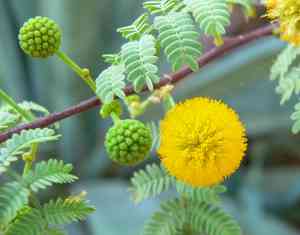
Hop wattle flourishes when relocated from the beginning to the end of spring, since the moderate temperatures and elevated precipitation establish ideal circumstances. It favors a bright spot with soil that drains effectively. Confirm the soil is damp and steer clear of harsh weather.
Necessary Preparations Before Moving Hop Wattle?
Optimal Period for Relocating Hop Wattle?
The best time to move hop wattle is from early to late spring, as warmer temperatures and increased daylight offer perfect conditions for root development. This timing also reduces transplant shock, allowing hop wattle to adapt well and fully benefit from the growing season.
Required Spacing Between Hop Wattle Plants?
When relocating hop wattle, ensure each plant is positioned 6-10 feet (1.8-3 meters) apart. This spacing allows for unrestricted growth, guaranteeing sufficient air circulation and room for them to flourish.
Ideal Soil Mixture for Hop Wattle Relocation?
Prepare the soil for hop wattle by ensuring it drains well and is slightly acidic to neutral. Enhance the soil with a foundational fertilizer, such as compost or a balanced slow-release product, to supply the nutrients hop wattle needs for strong root establishment.
Where to Replant Your Hop Wattle?
Select a sunny spot for moving hop wattle, as it thrives in full sun to partial shade. Confirm the location receives at least 6 hours of direct sunlight daily, which is vital for healthy growth and flowering.
Equipment Needed Before Relocating Hop Wattle?
Gardening Gloves
To safeguard your hands while handling soil and the plant.
Shovel or Spade
For digging around and lifting the plant from its initial spot.
Watering Can or Hose
To hydrate the plant before and after its relocation.
Tarp
To move the plant from its original spot to the new site without harming the roots.
Pruning Shears
To trim any damaged roots or leaves during the relocation process.
Soil Knife or Trowel
To loosen the soil and assist with digging and planting.
Stake and Ties
To support the plant if it is tall or top-heavy post-relocation.
How to Extract Hop Wattle from the Ground?
How to Extract Hop Wattle from the Ground?
From Ground: First, moisten the soil around the hop wattle plant. Then, dig a wide trench around the plant using a shovel or spade, making sure the plant's root ball stays intact. Carefully work the spade beneath the root ball to lift the plant from its original position.From Pot: Start by watering the hop wattle plant to facilitate its removal from the pot. Gently tilt the pot sideways and tap its sides to loosen the soil. Carefully slide the plant out, holding the base of the stem. If the roots are densely packed, gently separate them.From Seedling Tray: Water the seedlings in the tray to help them slide out more easily. Use a trowel or soil knife to gently lift each hop wattle seedling from the tray, ensuring the root system remains undamaged. Handle the seedlings by their leaves to avoid harming the delicate stems.
Step-by-Step Guide for Relocating Hop Wattle
Site Preparation
Clear the new planting area of any weeds or debris and ensure the soil is loosened and adequately prepared for planting.
Digging the Hole
Excavate a hole that is twice as wide and equally deep as the hop wattle's root ball.
Positioning the Plant
Place the hop wattle in the hole, ensuring the top of the root ball is level with the ground surface. Adjust as needed to keep the plant upright.
Backfilling
Gently refill the hole with soil, patting it down around the roots to eliminate air pockets without compacting it too firmly.
Watering In
After planting, thoroughly water the hop wattle to help settle the soil and begin root establishment.
Mulching
Apply a 2-3 inch layer of mulch around the plant's base, keeping it a few inches away from the stem to prevent rot.
Supporting (If Necessary)
If the hop wattle is tall or top-heavy, insert a stake into the ground near the stem and use garden ties to support the plant.
Post-Transplant Care for Hop Wattle?
Watering
Maintain consistent moisture in the soil around the hop wattle, avoiding sogginess, for the initial weeks after transplanting to encourage strong root development.
Monitoring
Regularly inspect the hop wattle for any indications of transplant shock, such as wilting or yellowing leaves, and adjust care as required.
Pruning
Remove any dead or damaged leaves to help the hop wattle direct its energy towards new growth.
Protection
Shield the hop wattle from harsh weather conditions, like frost or strong winds, by using suitable coverings or windbreaks if necessary.
Addressing Common Issues with Hop Wattle Relocation.
When is the best time to move hop wattle?
Early spring to late spring is the ideal period for relocating hop wattle.
How much space should I leave between each hop wattle?
Space hop wattle plants 6-10 feet (1.8-3 meters) apart for optimal growth.
How deep should I plant hop wattle in the new location?
Plant hop wattle at the same depth it was previously growing for best results.
What should I do if hop wattle shows signs of transplant shock?
Water thoroughly, provide shade, and avoid fertilizing immediately to help hop wattle recover from shock.
How do I prepare the soil for hop wattle at the new site?
Ensure the soil is well-draining and enriched with compost to suit hop wattle's needs.
How often should I water hop wattle after transplanting?
Water hop wattle regularly, keeping the soil consistently moist but not waterlogged for the first few weeks.
What can I do to prevent root damage when transplanting hop wattle?
Dig a wide and deep hole to minimize root disturbance while moving hop wattle.
Should I prune hop wattle before or after transplanting?
Prune lightly before transplanting to reduce water loss and stress on hop wattle.
How can I ensure hop wattle establishes well in the new location?
Mulch around hop wattle to retain moisture and insulate roots, aiding in establishment.
What should I avoid doing immediately after transplanting hop wattle?
Avoid fertilizing right after transplanting as this can stress hop wattle; wait until it stabilizes.



