How to Transplant Golden wattle?
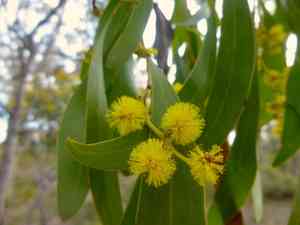
The optimal period for relocating golden wattle is mid-spring, which encourages vigorous development. Select locations that receive abundant sunlight and possess soil with good drainage. To achieve successful transplantation, guarantee minimal disruption to the root system and provide generous watering after relocation.
Necessary Preparations Before Relocating Golden Wattle
Optimal Timing for Golden Wattle Relocation?
The best time to move golden wattle is during the mild conditions of late spring. This period allows the plants sufficient time to establish themselves prior to summer. Choosing late spring for this task provides golden wattle an excellent opportunity to develop roots and thrive, benefiting from the season's moderate temperatures, ample rainfall, and increasing daylight. A late spring transfer for golden wattle can signal a promising start to vigorous growth and robust health as it approaches summer.
Recommended Spacing Between Golden Wattle Plants?
Ensure adequate room for your golden wattle to expand. A distance of approximately 2-3 feet (0.6-0.9 meters) between each plant is ideal. This promotes healthy development and prevents overcrowding.
Ideal Soil Blend for Golden Wattle Transplanting?
To prepare the ground for your golden wattle, utilize well-draining soil, enriched with organic matter. Incorporate a base fertilizer, such as compost or a slow-release granular fertilizer, into the soil before planting.
Where to Replant Your Golden Wattle?
Select a sunny location for your golden wattle. These plants thrive in sunlight, so a spot receiving at least six hours of sun will be most suitable. Confirm the area is not prone to waterlogging, as golden wattle dislikes excessively wet conditions.
Equipment Required Before Transplanting Golden Wattle?
Gardening Gloves
Crucial for hand protection throughout the entire transplanting process.
Shovel or Spade
Used for excavating the golden wattle from its original spot and preparing its new site.
Gardening Fork
Aids in loosening the soil around the golden wattle when extracting it.
Wheelbarrow or Container
Needed to move the golden wattle from its initial location to its new one without causing undue stress or damage.
Garden Hose or Watering Can
For watering the golden wattle immediately following transplantation.
How to Extract Golden Wattle from the Soil?
How to Extract Golden Wattle from the Soil?
From Ground: Hydrate the golden wattle plant to slightly moisten the soil, which facilitates easier removal. Then, dig a wide trench around the plant using a shovel or spade, ensuring the plant's root ball remains intact. Carefully work the spade beneath the root ball to lift the plant from the ground.From Pot: Water the plant thoroughly and evenly around the stem's base. Also, gently compress the pot's sides to loosen the soil and roots. Invert or tilt the pot and carefully ease the plant out, making sure to support the plant at its base as you do so.From Seedling Tray: Gently water the seedlings, then slide a gardening fork carefully under the seedling to lift it out without harm. Be cautious to keep the roots and surrounding soil as undisturbed as possible when removing the golden wattle.
Step-by-Step Guide for Golden Wattle Transplantation
Preparation
Prepare the transplanting site by digging a hole twice the width and the same depth as the golden wattle's root ball. Keep the bottom of the hole firm.
Insertion
Position the golden wattle in the center of the hole, ensuring it is level with the ground and not planted too deeply. The top of the root ball should be slightly above ground level.
Filling
Backfill the root ball with soil from the hole until the hole is half full. Gently pat around the base of the golden wattle to settle the soil. Water lightly and allow it to settle before filling the remainder of the hole.
Completion
After the hole is filled, create a small watering basin around the golden wattle. Water thoroughly and apply a layer of mulch to the surrounding soil to help retain moisture.
Post-Transplant Care for Golden Wattle
Watering
Ensure the golden wattle receives adequate water, especially during the initial weeks after transplanting, as this aids in establishing strong roots. Watering frequency can be gradually reduced as the plant matures.
Pruning
Remove any dead or dying branches as they appear to encourage growth and maintain the golden wattle's health.
Pest and Disease
Regularly inspect for any pests or diseases. Apply organic or chemical controls as needed. Avoid excessive use of chemical pesticides and always adhere to package instructions.
Resolving Common Golden Wattle Transplantation Issues.
When is the ideal time to transplant golden wattle?
Transplant golden wattle ideally around stage S2 or late spring-early summer, when it is more mature but hasn't bloomed yet.
What is the ideal spacing for golden wattle when transplanting?
Ensure each golden wattle plant has approximately 2-3 feet (60-90 cm) of space on all sides to support healthy growth.
How to prepare the soil before transplanting golden wattle?
Improve the soil with organic compost and confirm it drains well. The pH should ideally be between 6.0 and 7.0 for golden wattle to flourish.
How deep should the holes be when transplanting golden wattle?
Excavate a hole at least twice the root ball's width and the same depth. This provides the roots of golden wattle ample room to spread.
How to water golden wattle after transplanting?
Water the golden wattle thoroughly immediately after transplanting. Afterward, maintain consistent watering, but prevent overwatering to avoid root rot.
How to care for golden wattle after transplanting?
Keep the soil moist but not waterlogged. Mulch around golden wattle to preserve moisture and regulate temperature. Shield from harsh weather when necessary.
Why are the leaves of my transplanted golden wattle turning yellow?
Yellowing leaves post-transplant may signal water stress. Ensure consistent watering but avoid over-saturation. The soil must remain damp, not waterlogged.
What to do if my transplanted golden wattle is not growing?
First, confirm proper watering. If the issue persists, check soil conditions and light exposure. Golden wattle requires ample sunlight and nutritious soil for growth.
How to deal with pests and diseases after transplanting golden wattle?
You can use an organic pesticide for pests. Report visible signs of disease to a local extension service for appropriate treatments.
What if the transplanted golden wattle appears droopy?
A slight droop after transplanting is normal. Keep golden wattle well-watered and in appropriate light. If drooping continues, check for root rot or pests.



