How to Transplant Blackwood?
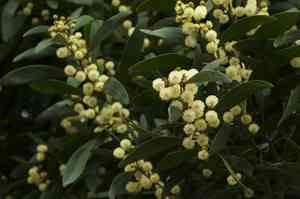
The ideal period for relocating blackwood is within the vigorous growing season of mid to late spring, or as early summer commences. Select a location offering effective drainage and protection from powerful gusts. A helpful tip: enrich the earth with organic material to properly receive blackwood in its new environment.
Essential Preparations Before Relocating Blackwood
Optimal Period for Blackwood Relocation?
The prime window for relocating blackwood spans from mid-spring to early summer, during the peak of its growth cycle. This timeframe provides a combination of mild temperatures and extended daylight, fostering an ideal setting for blackwood to establish its root system and flourish. Moving blackwood at this point leverages its natural growth patterns, boosting its vitality and chances of survival. It offers the gentle encouragement blackwood needs to seamlessly adjust to its new environment, with the warmth and pliable soil facilitating effortless planting and rapid root development.
Recommended Spacing Between Blackwood Plants?
Allow ample room for each blackwood plant to expand its branches by positioning them approximately 15-20 feet (4.5-6 meters) apart. This spacing ensures sufficient exposure to sunlight and nutrient uptake for every plant.
Ideal Soil Blend for Blackwood Relocation?
For blackwood, a loamy or sandy soil type is most suitable, and it must also be well-draining. Enhance the planting beds with organic compost to serve as a foundational fertilizer, boosting the soil's fertility and its capacity to retain moisture.
Selecting a New Site for Your Blackwood?
Choose a site for blackwood that receives full sun to partial shade. Greater sunlight exposure encourages vigorous growth, though blackwood can endure some shade during the day if necessary. Happy planting!
Equipment Needed for Blackwood Transplantation
Spade or Shovel
Required for carefully extracting the blackwood from its original spot and preparing an appropriate hole at the intended transplant location.
Gardening Gloves
To safeguard your hands when handling soil and the plant. Blackwood possesses sharp edges and thorns, making gloves indispensable.
Garden Trowel
Useful for precise excavation when removing the plant from a container or seedling tray.
Wheelbarrow
Beneficial for moving larger blackwood plants or transporting the plant to its new site.
Bucket
To hold water for moistening the soil before and after the transplant.
Section of Burlap
Helps safeguard the root ball during transit, particularly for more substantial plants.
Garden Pruners
For trimming any damaged roots or branches prior to transplantation.
Method for Extracting Blackwood from the Soil
Method for Extracting Blackwood from the Soil?
From Ground: Before transplanting, moisten the soil around the blackwood plant to minimize shock and facilitate removal. Using a spade or shovel, dig a wide circle around the plant, keeping a safe distance from the trunk to prevent root damage. Gently lift the plant from the ground, ensuring the root ball remains intact. Use burlap to wrap and protect the root ball during transport.From Pot: Water the plant several hours before transplanting to ensure the root ball stays cohesive. Then, with gloved hands or a trowel, carefully ease the blackwood out of the pot, taking care not to pull on the trunk or main stems.From Seedling Tray: Once the seedling appears robust and has developed a small root ball, it is ready for transplant. Moistening the seedling tray can simplify removal. Use a trowel or tool to gently lift the seedling out, holding it by the leaves rather than the stem.
Step-by-Step Guide for Transplanting Blackwood
Preparation
Select the new site for your blackwood and prepare the planting hole. It should be twice as wide and equal in depth to the plant's root ball. Return some of the loose soil to the hole to form a mound.
Placement
Position the plant in the hole, ensuring it stands upright. The top of the root ball should be slightly above ground level.
Backfill
Add the remaining soil back into the hole, around the root ball. Gently firm the soil to eliminate air pockets but avoid compacting it too tightly.
Watering
Water the blackwood generously immediately after transplanting. Apply water near the base of the plant, not on the leaves.
Mulching
Apply a layer of mulch around the plant, ensuring it does not touch the trunk. This helps maintain soil moisture and suppress weeds.
Post-Transplant Care for Blackwood
Watering
For the initial weeks following transplantation, keep the soil consistently damp but not waterlogged. A thorough watering once or twice weekly should suffice, but regularly check the moisture level.
Pruning
Postpone any significant pruning until the blackwood has fully recovered from the transplant.
Monitoring
Observe the blackwood for indications of transplant shock, such as wilting leaves or stunted growth. If these symptoms persist, consider seeking advice from a local nursery or agricultural extension service.
Addressing Common Issues During Blackwood Transplantation
When is the optimal time to transplant blackwood?
The ideal period for transplanting blackwood spans from late spring to early autumn (S2-S4). These seasons provide prime conditions for root establishment and development.
What spacing is required for each blackwood during transplantation?
Blackwood requires ample room to grow, ideally spaced about 15-20 feet (4.5-6 meters) apart. This spacing minimizes competition and promotes plant vitality.
Which soil type is most suitable for blackwood transplantation?
Blackwood thrives in well-draining soil. It can adapt to various soil types but performs best in loam and sandy soils. Ensure the soil is prepared before transplanting.
How should the transplant hole be prepared for blackwood?
Excavate a hole twice the size of the blackwood's root ball. It should be deep enough to cover the roots without submerging the plant's base.
Is pre-transplant watering necessary for blackwood?
Yes, it is crucial to thoroughly water blackwood a day before transplanting. This helps keep the roots moist and reduces transplant shock.
What is the correct method to remove blackwood from its previous location?
Gently loosen the soil around blackwood and carefully lift the plant, keeping its root ball intact. Avoid any root damage to ensure successful transplantation.
What immediate actions should be taken after transplanting blackwood?
After transplanting blackwood, it is essential to water it thoroughly. Water aids in settling the soil, reducing air pockets, and alleviating plant stress.
How can I prevent my transplanted blackwood from drooping or wilting?
Initially place blackwood in a location with partial shade and gradually introduce more sunlight. Water regularly and monitor for signs of stress for several weeks.
Are fertilizers needed during blackwood transplantation?
During transplantation, blackwood generally does not require fertilizers. It is better to incorporate well-rotted organic matter or compost into the soil during hole preparation.
How do I protect my newly transplanted blackwood from cold weather?
Protect blackwood with a layer of mulch around its base, but avoid mulching directly against the plant's stem. This helps retain moisture and warmth during colder periods.



