How to Transplant Small Philippine Acacia?
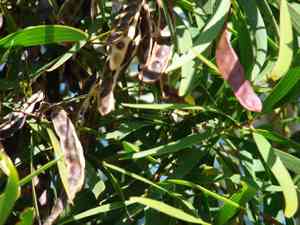
The most favorable period for relocating small Philippine Acacia is as late spring transitions into early summer, offering mild, consistent environmental factors ideal for root development. Select a brightly lit spot with soil that drains effectively, and if necessary, amend the area with compost to ensure small Philippine Acacia begins robustly.
Necessary Preparations Before Relocating Small Philippine Acacia?
Optimal Timing for Moving Small Philippine Acacia?
The most favorable period for relocating small Philippine Acacia is at the onset of mid to late spring. This timeframe offers ideal temperatures and soil moisture, providing small Philippine Acacia with an excellent start in its new spot. Selecting this prime moment in the growing season ensures the plant has ample opportunity to establish its root system before the intense summer heat, which is vital for perennial strength. Furthermore, transplanting then benefits small Philippine Acacia by aligning with natural growth cycles, fostering better adaptation and vigor.
Recommended Spacing Between Small Philippine Acacia Plants?
New gardeners, remember to properly space your small Philippine Acacia! Ideally, these should be planted 3-4 feet (0.9-1.2 meters) apart. This distance helps each plant to grow without competing for resources. Happy gardening!
Best Soil Blend for Small Philippine Acacia Relocation?
For small Philippine Acacia, prepare a well-draining soil mix. They thrive in slightly acidic pH. Incorporate a foundational fertilizer, such as compost or aged manure, for a nourishing beginning. Beginners, this significantly enhances your plant's health!
Where to Replant Your Small Philippine Acacia?
Let's find the right spot for small Philippine Acacia. These plants love adequate sunlight but partial shade too. A location with morning sun and afternoon shade would be just perfect. New gardeners, adequate sunlight helps your plant to photosynthesize better!
Equipment Needed Before Transplanting Small Philippine Acacia?
Gardening Gloves
To protect your hands from injury while handling soil and plants.
Shovel or Spade
To efficiently remove the plant from its original spot and excavate a hole in its new location.
Pruning Shears
To trim the plant if necessary.
Watering Can or Hose
To hydrate the plant before and after relocation.
Wheelbarrow or Pot
To gently move the plant from its old position to the new one.
Stake and Tie
To provide the small Philippine Acacia plant the necessary support after the move.
How to Extract Small Philippine Acacia from the Soil?
How to Extract Small Philippine Acacia from the Soil?
From Ground: Start by watering the small Philippine Acacia plant. This makes the soil more pliable and reduces stress on the plant. Next, using your shovel, dig a wide trench around the plant, ensuring you're not too close to protect the root ball. Gently work the spade under the root ball and carefully lift the plant from its original place.From Pot: Water the plant thoroughly. Turn the pot on its side and gently work the plant out, keeping the root ball intact. Remember not to pull the plant out by its stem.From Seedling Tray: Dampen the soil of the small Philippine Acacia seedlings tray gently. With a small utensil, or even your fingers, create a hole in the soil around the seedling. Carefully lift the seedling from its tray trying to keep as much soil with the root as possible.
Step-by-Step Guide for Relocating Small Philippine Acacia
Preparation
Clear your new planting site of any debris and prepare it for the small Philippine Acacia.
Digging
Dig a hole with your spade that's twice as wide as the plant's root ball and just as deep in the prepared site.
Placing
Place your small Philippine Acacia in the hole and gently spread the roots out.
Backfilling
Backfill the hole with the same soil, ensuring the plant is at the same soil level as it was in its original location. Refrain from compressing the soil, as small Philippine Acacia prefers loose soil.
Watering
Water your plant immediately after planting, and add more soil if the water depletes it.
Staking
Apply a stake for support if the plant appears struggling to stay upright. Attach the plant to the stake using a tie gently.
Post-Transplant Care for Small Philippine Acacia?
Watering
Ensure the soil around the small Philippine Acacia remains consistently moist, but not waterlogged, for a few weeks after transplant to encourage strong root establishment.
Pruning
Newly relocated small Philippine Acacia plants will benefit from light pruning to lessen stress. Remove only dead, diseased, or broken branches.
Observation
Monitor the plant for signs of distress. Wilting or yellowing leaves can indicate transplant shock. Prompt corrective actions can often save the plant.
Support
Ensure the stake and tie (if used) are functioning effectively. Adjust the tie if it's too tight, and regularly check that the stake is secure.
Troubleshooting Common Issues with Small Philippine Acacia Relocation.
When is the ideal time to transplant small Philippine Acacia?
The optimal period to transplant small Philippine Acacia is during S2-S4. This time provides a favorable environment for the plant to grow.
How much space should I leave between small Philippine Acacia plants?
To ensure proper growth, you should space small Philippine Acacia plants 3-4 feet (approximately 1-1.2 meters) apart, this enables each plant to flourish without competing for resources.
How should I prepare the new location for small Philippine Acacia?
The new site should be adequately prepared. Clear away any weeds and loosen the soil to about 10 inches (25 cm) deep. This enables the roots to penetrate the soil easily.
What's the best way to water small Philippine Acacia after transplanting?
After transplanting the small Philippine Acacia, water it lightly but thoroughly. Avoid waterlogging the soil as this could drown the roots and negatively affect the plant.
Should I apply any fertilizer after transplanting small Philippine Acacia?
Yes, lightly applying a balanced, slow-release fertilizer after planting will provide essential nutrients that encourage small Philippine Acacia to develop a robust root system.
How deep should I plant small Philippine Acacia?
When transplanting small Philippine Acacia, ensure the plant is buried to the same depth it previously grew. This helps the plant to acclimatize faster to its new environment.
How much sunlight does small Philippine Acacia need after being transplanted?
Small Philippine Acacia prefers full sun to partial shade conditions. Make sure the planted area receives at least 6-8 hours of direct sunlight after transplanting.
What should I do if the small Philippine Acacia shows signs of wilting after transplantation?
If small Philippine Acacia shows signs of wilting after transplantation, ensure it's adequately watered but not oversaturated. Also, itâs vital to protect the plant from excessive heat or cold.
How do I deal with pests and diseases affecting small Philippine Acacia after transplanting?
Keep a keen eye on your small Philippine Acacia and at the earliest signs of pests or diseases, use approved organic pesticides or fungicides. Regularly sterilize your garden tools to prevent disease spread.
What's the correct process to remove small Philippine Acacia from its current pot for transplantation?
Carefully loosen the soil, tilt the pot and gently pull the plant out, supporting the base. Avoid severe root disturbance to minimize stress on the small Philippine Acacia.



