How to Transplant Noble fir?
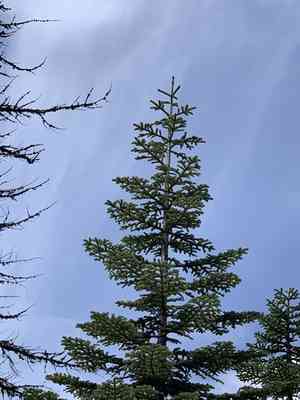
For noble fir, the arrival of warmer temperatures in the spring season offers ideal circumstances for root development. Select a location that receives abundant sunshine and possesses soil with good drainage. If necessary, confirm that the root ball remains undisturbed to facilitate a seamless acclimation.
What Preparations are Needed Before Transplanting Noble Fir?
What is the Ideal Time for Transplanting Noble Fir?
The optimal period for relocating noble fir is at the onset of spring. Moving noble fir during this early stage of the season allows it to settle into the still-cool ground, benefiting from the approaching warmth to encourage strong root development. Placing noble fir in its new spot within this timeframe ensures it has ample opportunity to adjust before the summer heat intensifies. This strategic timing utilizes nature's cycle, providing noble fir with comfortable temperatures and the nurturing effect of increasing daylight, setting the stage for vigorous growth.
How Much Space Should You Leave Between Noble Fir Plants?
For noble fir, each young tree requires adequate room to thrive. Aim to position each sapling approximately 20-25 feet (6-7.6 meters) apart. This spacing will prevent competition for nutrients and provide ample area for growth.
What is the Best Soil Mix for Noble Fir Transplanting?
Prior to transplanting noble fir, prepare the soil. This plant prefers soil that is well-drained, moist, and acidic. Incorporate organic matter or compost into the soil to enhance its quality. Adding a foundational fertilizer, such as a slow-release granular 10-10-10, will assist the plant in establishing itself.
Where Should You Relocate Your Noble Fir?
Noble fir thrives in full to partial sunlight. Select a spot in your garden where it will receive at least 6 hours of daily sunlight. However, keep in mind that noble fir can also tolerate some shade.
What Equipments Should You Prepare Before Transplantation Noble Fir?
Gardening Gloves
To safeguard your hands from dirt and sharp implements during the transplanting process.
Trowel
A small hand tool used for digging, applying, smoothing, or moving small quantities of soil, which can be utilized to dig around the roots of noble fir.
Shovel
A tool employed for digging, lifting, and transporting bulk materials, such as soil, which is crucial for excavating a new hole for noble fir.
Wheelbarrow
This can be used to move noble fir from its original spot to the new location with minimal harm.
Watering Can
This is essential for keeping the soil around the noble fir moist, particularly after transplanting.
Compost
Adding organic material can improve soil structure and supply nutrients that noble fir may need for optimal development.
How Do You Remove Noble Fir from the Soil?
How Do You Remove Noble Fir from the Soil?
From Ground: Hydrate the noble fir to moisten the soil. Using a spade or shovel, dig a wide circle around the plant to safeguard the root ball from any damage. Carefully lift the plant from its initial position, ensuring the root ball remains intact.From Pot: If noble fir is in a container, try to gently extract the plant without disturbing the roots. Tilt the pot sideways while holding the top of the soil and carefully slide the plant out. If removal is difficult, tap the sides of the pot to loosen it.From Seedling Tray: Grasp the noble fir seedling by its leaves, not the stem, to prevent harming the young plant. Gently wiggle the seedling to loosen its roots, then lift it from the seedling tray.
Step-by-Step Guide for Transplanting Noble Fir
Preparation
First, prepare your chosen site by digging a hole twice as wide and as deep as the noble fir's current root ball.
Placement
Position noble fir in the center of the hole by supporting the base of the plant. The top of the roots should be at the soil surface level.
Backfill
Add some soil to fill any gaps around the roots. Gently firm the soil with your hands to support noble fir, ensuring the plant is not leaning.
Watering
After planting, thoroughly water noble fir to settle the soil and eliminate air pockets. Avoid overwatering to the point of creating a puddle.
Mulching
To help the soil retain moisture, spread a layer of organic mulch around the plant, keeping it clear of the stem.
How Do You Care For Noble Fir After Transplanting?
Watering
Maintain consistent soil moisture, but avoid saturation, for the initial weeks post-transplanting to aid root establishment.
Pruning
Postpone pruning for a period unless noble fir has dead or damaged branches. This allows the tree to prioritize root development.
Monitoring
Observe noble fir daily, looking for any indications of transplant shock, such as wilting or leaf loss, and take necessary actions. If all goes well, noble fir should adapt to its new environment and begin to grow.
Troubleshooting Common Issues with Noble Fir Transplantation.
When is the ideal time to transplant noble fir?
The optimal time to transplant noble fir is typically during S1-S2. This provides noble fir ample time to establish itself before the growing season.
What is the proper spacing for noble fir when transplanting?
For healthy growth, it's best to space noble fir approximately 20-25 feet (6-7.5 meters) apart. This allows sufficient room for each to grow and flourish.
What steps should I take to prepare the soil before transplanting noble fir?
Begin by loosening the soil to a depth of 12 inches (30 cm), then mix in an organic soil conditioner. This aids the roots of noble fir in establishing quickly.
What type of soil is best for transplanting noble fir?
Ideally, noble fir prefers well-drained, loamy soil. Ensure the soil is rich in organic matter, and verify that the pH is between 5.5 and 6.5 before planting.
How deep should the hole for noble fir be when transplanting?
You should dig a hole twice as wide and just as deep as the root ball of noble fir. This encourages healthy root spread and growth.
Should I water noble fir before transplanting?
Absolutely, it's best to water noble fir thoroughly a day before the transplantation. Doing so helps to minimize stress on the plant during the process.
How should I settle noble fir into the new hole?
Place noble fir into the hole, ensuring the top of the root ball is level with the surrounding soil. Fill the hole, tamp down gently and water well.
What's the aftermath care for noble fir after transplanting?
Ensure noble fir is watered regularly, especially during dry periods. Check for pests and diseases frequently. The first year after transplanting is crucial for its establishment.
Do I need to fertilize noble fir soon after transplanting?
You should avoid fertilizing immediately after transplanting as it can cause stress. Wait at least a year, letting noble fir establish itself in the new location first.
What if the leaves of noble fir start to turn yellow after transplanting?
Yellowing leaves could indicate stress or a nutrient deficiency. Don't panic, maintain regular watering, and consider soil testing if conditions don't improve after a few weeks.



