How to Transplant Fraser's fir?
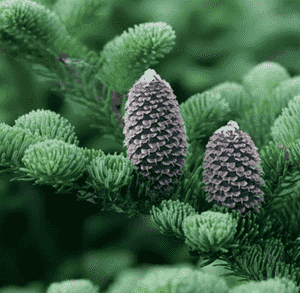
For Fraser fir, the ideal period for relocation is when the ground thaws, typically in early spring. Select a cool, damp spot with adequately draining soil for these indigenous mountain trees, ensuring their move is as smooth as the natural melting of snow.
What Preparations are Needed Before Transplanting Fraser's Fir?
What is the Ideal Time for Transplanting Fraser's Fir?
The optimal period for relocating fraser's fir is during the spring months, especially as the frost recedes. This season provides a mild climate, perfect for fraser's fir's root establishment, ensuring a strong developmental start. Choosing this time promotes the successful adaptation of fraser's fir to its new environment, vital for long-term vitality. It's a beneficial move for fraser's fir, offering a nurturing window to flourish, aligned with nature's cycle of renewal.
How Much Space Should You Leave Between Fraser's Fir Plants?
For fraser's fir, remember to allow approximately 10-12 feet (3-3.7 meters) of space between each plant. This will ensure they grow well without hindering each other's development. A proper beginning makes a significant difference!
What is the Best Soil Mix for Fraser's Fir Transplanting?
Prepare fraser's fir's new home with soil that drains well - perhaps a sandy or loamy type. Add a foundational fertilizer rich in nitrogen. Always remember, healthy soil produces healthy plants!
Where Should You Relocate Your Fraser's Fir?
Ensure to plant fraser's fir in a location where it can receive ample sunlight. However, it also appreciates some afternoon shade. Just as we dislike sunburn, so do our plant companions!
What Equipments Should You Prepare Before Transplantation Fraser's Fir?
Gardening Gloves
To shield your hands from any sharp debris or irritants in the soil.
Spade
Required for digging the hole for transplanting fraser's fir and for extracting it from its original spot.
Gardening Fork
Excellent for loosening the soil without harming the root structure.
Wheelbarrow or Container
To move the fraser's fir from its initial location to the transplanting site.
Watering Can or Hose
Crucial for hydrating the fraser's fir before and after transplantation.
Organic Mulch
To help safeguard the plant's roots from extreme temperatures and maintain soil moisture.
How Do You Remove Fraser's Fir from the Soil?
How Do You Remove Fraser's Fir from the Soil?
From Ground: Start by watering the fraser's fir to moisten the soil, making it easier to excavate. Using your spade, begin digging a wide circle around the plant, ensuring to go deep enough to avoid damaging the root ball. Once completed, carefully slide the spade beneath the root ball and lift the fraser's fir from its position.From Pot: Watering the fraser's fir will facilitate the root ball's removal from the container. Turn the pot sideways, gently hold the plant, and tap the bottom of the pot. Now slide the fraser's fir out. If it resists, you can roll the pot on the ground while applying gentle pressure.From Seedling Tray: Water the tray first. Next, use a gardening fork to gently lift the seedling by the root ball, minimizing root damage.
Step-by-Step Guide for Transplanting Fraser's Fir
Preparation
Begin by thoroughly watering the fraser's fir a few hours before transplantation to lessen transplant shock. Then, measure the root ball's size so you can dig an appropriately sized hole at the transplantation site.
Digging
In the new location, excavate a hole that is twice as wide as the root ball and equally deep. The top of the root ball should be level with the ground.
Positioning
Place fraser's fir into the hole. Ensure that the top of the root ball is flush with the soil surface; adjust the hole's depth if necessary.
Backfill
Fill in around the root ball with the original soil, gently firming as you go to eliminate any air pockets. Never bury the root ball deep below the soil surface.
Watering
Water the fraser's fir thoroughly to help settle the soil and reduce air pockets.
Mulching
Apply a layer of organic mulch around the base, keeping it a few inches from the trunk to prevent rot and diseases.
How Do You Care For Fraser's Fir After Transplanting?
Watering
Ensure that the fraser's fir's soil remains consistently moist, especially during the initial weeks post-transplant. If the soil becomes too dry, the fraser's fir may become dehydrated and wilt.
Pruning
While the fraser's fir is establishing, it might require some assistance. Prune any dead or diseased branches on the fraser's fir to help redirect energy to new growth.
Monitoring
Observe the fraser's fir daily for the first few weeks. Look for any indications of transplant shock, such as wilting, yellowing leaves, or slowed growth.
Troubleshooting Common Issues with Fraser's Fir Transplantation.
When is the best time to transplant fraser's fir?
The ideal time to move fraser's fir is during early to mid-spring. This allows the plant ample time to establish roots before the winter cold.
How much distance should be maintained between transplanted fraser's fir plants?
You should follow the general guideline and maintain a distance of about 10-12 feet (3-3.7 meters) between each fraser's fir plant to ensure healthy development.
What type of soil is best for transplanting fraser's fir?
Fraser's fir prefers moist, well-draining soil with an acidic pH level. Avoid areas where water collects after rain, as fraser's fir does not tolerate waterlogged soil.
What precautions should I take when digging up fraser's fir for transplanting?
Be gentle and try to retrieve as much of the root ball as possible. Start digging at the tree's drip line to minimize root damage.
How deep should I plant the fraser's fir?
The hole should be twice as wide as the root ball but no deeper. The top of the root ball should be level with or slightly above the surrounding soil.
What care should fraser's fir plants receive after transplanting?
Provide fraser's fir with ample watering after transplanting and keep the soil consistently moist. Mulch is also recommended to help retain soil moisture.
How do I know if fraser's fir is not adapting well after being transplanted?
Signs of distress in fraser's fir may include wilting, yellowing or dropping needles, or slowed growth. These could indicate root damage or a need for more hydration.
Should fraser's fir be pruned after being transplanted?
It's generally best to avoid pruning fraser's fir immediately after transplanting, unless there are broken or diseased branches, to help it recover more quickly.
Can fraser's fir be transplanted in containers?
Yes, fraser's fir can be transplanted into large containers. Just ensure they have good drainage and plant them in well-draining soil mixed with organic matter.
Can fraser's fir survive a significant drop in temperature after being transplanted?
Fraser's fir is relatively resilient, but sudden, extreme temperature drops can cause stress or damage. It's best to transplant early in spring to prevent such situations.



