How to Transplant Okra?
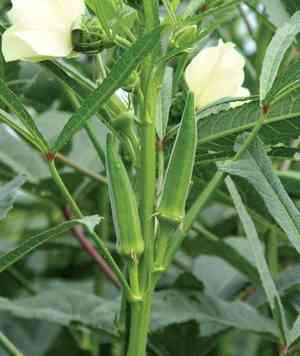
The most suitable period for relocating okra is from early to mid-summer, once warmer weather is established. Select a well-draining substrate in a sun-exposed area to encourage peak development. Carefully separate the root system and provide sufficient room during planting for a flourishing okra patch!
What Preparations are Needed Before Transplanting Okra?
What is the Ideal Time for Transplanting Okra?
The best time for moving okra is from early summer to its middle. This period provides perfect conditions for the plant's development. The warmth and ample daylight ensure quick establishment, strong growth, and abundant harvests in the first season. This approach maximizes your okra yield. So, mark those favorable months for transplanting; your okra plants will thrive!
How Much Space Should You Leave Between Okra Plants?
When getting ready to transplant okra, ensure plants are spaced approximately 18-24 inches (45-60 cm) apart. This will provide ample room for them to grow and flourish!
What is the Best Soil Mix for Okra Transplanting?
For okra, select soil that drains well and is rich in organic material. Incorporate a balanced, slow-release fertilizer (10-10-10) to give your plants a robust start.
Where Should You Relocate Your Okra?
Find a spot in your garden where okra receives full sun exposure for 6-8 hours daily. This will guarantee they get sufficient sunlight to produce healthy and tasty pods.
What Equipments Should You Prepare Before Transplantation Okra?
Gardening Gloves
To safeguard your hands while handling soil and the okra plant.
Trowel
To dig small holes and manage soil during the okra plant's transplanting process.
Shovel or Spade
To excavate larger holes for transplanting or removing the okra from its initial spot.
Watering Can or Hose
To hydrate the okra plant at each transplanting stage and for post-transplant care.
Pruner or Scissors
To trim any damaged or excess foliage from the okra plant before transplanting.
Garden Fork or Soil Fork
To loosen and break up the soil prior to transplanting okra.
How Do You Remove Okra from the Soil?
How Do You Remove Okra from the Soil?
From Ground: First, water the okra plant to moisten the soil. Then, dig a wide trench around the plant using a shovel or spade, ensuring the plant's root ball stays intact. Carefully work the spade beneath the root ball to lift the plant from its original location.From Pot: Water the okra plant in its container, and gently tilt it sideways. Apply slight pressure to the pot's sides while supporting the plant's base, then carefully slide it out, keeping the root ball whole.From Seedling Tray: Dampen the soil in the seedling tray, and use a trowel or spoon to gently scoop out the okra seedlings with their surrounding soil. Be careful not to disturb the delicate roots of the okra seedlings.
Step-by-Step Guide for Transplanting Okra
Harden Off
Gradually expose the okra plant to outdoor conditions for 7-10 days before transplanting to lessen transplant shock.
Prepare the Soil
Loosen the soil in the transplanting area with a garden fork, and remove any weeds or debris. Refer to previous recommendations on soil and fertilizer from earlier sections.
Dig the Hole
Use a trowel or shovel to dig a hole that is twice as wide and slightly deeper than the okra plant's root ball.
Position the Plant
Gently place the okra plant into the hole, ensuring the top of the root ball is level with the ground. Space okra plants approximately 12-18 inches apart to allow for proper growth.
Backfill with Soil
Fill the hole with soil, gently compacting it around the okra plant's root ball to eliminate air pockets.
Water Immediately
Thoroughly water the okra plant after transplanting to help settle the soil around the roots and reduce transplant shock.
How Do You Care For Okra After Transplanting?
Watering
Keep the soil around the okra consistently moist, but not waterlogged, for the first few weeks after transplanting to help establish strong roots.
Mulching
Apply a 2-3 inch layer of mulch around the base of the okra plant to retain moisture and deter weeds.
Fertilizing
Follow the recommendations from the prior sections on fertilizing, and apply a balanced fertilizer when needed to support growth and fruit production.
Pest Control
Regularly check for pests, such as aphids, and take appropriate measures to control them if necessary.
Support
If the okra plant grows tall, adding a supportive stake or cage may be helpful to provide stability and prevent toppling.
Troubleshooting Common Issues with Okra Transplantation.
When is the best time to transplant okra seedlings?
The optimal time for transplanting okra is early to mid-summer when it's warm outside.
What spacing should I maintain between okra plants during transplant?
It's recommended to maintain a gap of about 18-24 inches (45-60 cm) between okra. This gives each plant enough room to grow and thrive.
Should I water okra immediately after transplanting?
Yes, water okra well immediately after transplanting. This helps to settle the soil and initiates growth.
What kind of soil does okra prefer for growing after being transplanted?
Okra likes well-drained, nutrient-rich soil. Adding composted organic matter prior to planting can assist in nourishment.
How can I ensure that okra doesn't wilt after transplanting?
Ensure the root ball is sufficiently wet when transplanting. Keep okra adequately watered, but avoid waterlogging, as it can cause root rot.
What if the leaves of okra turn yellow after transplanting?
Yellow leaves could indicate overwatering or lack of nutrients. Adjust watering schedule and consider fertilizing to restore green color.
How deep should I plant okra when transplanting?
Okra should be planted as deep as it was in its previous container. The top of the root ball should be level with the soil surface.
Why does okra look stunted after transplantation?
Stunted growth can be due to cold weather. Okra prefers warm weather, ensure to transplant in early to mid-summer.
How do I care for okra after transplantation?
Provide enough water and sunlight, maintain 18-24 inches (45-60 cm) spacing, and fertilize as necessary. Checking regularly for pests is also important.
Can I transplant okra into a pot?
Absolutely! Okra can grow in a pot. Just ensure it's over 12 inches (30 cm) in diameter to accommodate [N's] growth.



