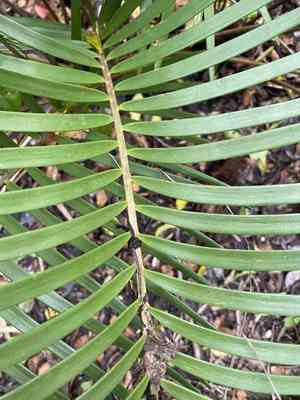
The Hidden Danger in Your Home? Unmasking the Toxicity of the Coontie Plant.
1
Ingesting coontie seeds can lead to serious liver harm, unconsciousness, or fatality.
2
Signs of coontie poisoning in people involve throwing up, bloody feces, and extreme thirst.
3
Every part of the coontie plant is toxic to felines and canines, resulting in symptoms such as drooling and sluggishness.
Is Coontie harmful to people?
If consumed, coontie can be detrimental to humans. Effects are typically mild, but they can intensify in certain instances, potentially becoming fatal. The harmful substances in this plant, which may impact the central nervous system, are primarily located in the roots and seeds. Signs of consuming the seeds include nausea, abdominal pain, bloody feces, loose stools, intense thirst, and discoloration. In severe scenarios, hepatic failure or demise may occur. Some individuals might consume the roots as a wild food source, without adequate preparation or knowledge of their toxic components.
Is Coontie harmful to felines?
The foliage, seeds, and nuts from the coontie can inflict significant harm to a cat's liver upon consumption, and every part of the plant possesses some level of toxicity. Symptoms can manifest within a quarter of an hour post-ingestion and include salivation, emesis, loose stools, and sluggishness. It is crucial to obtain veterinary care for your pet if you suspect they have consumed any portion of this plant.
Is Coontie harmful to canines?
Coonties are extremely poisonous to dogs – you should immediately consult a veterinarian if you suspect your dog consumed any part of this plant. The seeds contain the highest concentration of toxins, though all parts of this plant possess them. When ingested, coontie frequently leads to digestive upset, including emesis and/or diarrhea, along with feebleness, a lack of appetite, and intense dehydration. If one or more seeds are consumed, severe liver damage, unconsciousness, or fatality can ensue.



