The Hidden Danger in Your Home? Unmasking the Toxicity of the Greater periwinkle Plant.
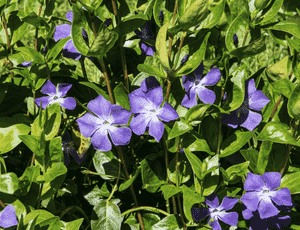
1
Greater periwinkle poses a slight toxicity risk to humans, potentially leading to severe heart issues and reduced blood pressure if consumed.
2
Felines and canines face a poisoning hazard from greater periwinkle, displaying signs ranging from digestive distress to convulsions.
3
It is imperative to obtain prompt veterinary assistance if there's a suspicion a pet has consumed any portion of greater periwinkle.
Is Greater periwinkle harmful to felines?
Greater periwinkle poses a toxicity risk to cats and can cause poisoning if consumed inadvertently. Felines might experience poisoning from ingesting any portion of greater periwinkle, as every part of the plant is poisonous. Following exposure, a cat might display signs of physical discomfort, sickness, or pain, which can be upsetting to witness. Since quick medical attention is vital, it's critical to transport the cat to a veterinary clinic without delay if such exposure is suspected. Maintaining greater periwinkle out of reach or eliminating it from areas where cats live is a wise precaution to avert potential poisoning.
Is Greater periwinkle harmful to canines?
Greater periwinkle is considered a poisonous plant for dogs. Should dogs consume parts of this plant, whether by accident or out of curiosity, they can suffer from poisoning. The whole plant, including its foliage, stalks, and blooms, contains harmful substances that endanger canine health. Signs of poisoning might involve digestive upset, such as throwing up and loose stools; in serious instances, muscle tremors or convulsions could manifest. It is essential for dog guardians to supervise their pets closely and restrict their access to greater periwinkle. If a dog is thought to have eaten any part of greater periwinkle, prompt veterinary care is critical for the animal's health.



