The Hidden Danger in Your Home? Unmasking the Toxicity of the Black haw Plant.
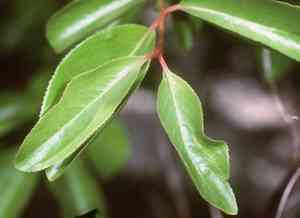
1
Immature black haw berries possess salicin, an aspirin-like compound that may induce sickness and emesis.
2
Individuals with sensitivities might encounter intense responses like urticaria, lip swelling, and respiratory distress.
3
Children risk developing Reye's syndrome if they ingest the fruit while battling viral illnesses.
Is Black haw toxic to humans?
Black haw, similar to numerous *Viburnum* varieties, possesses berries that can cause stomach irritation when not fully ripe. Salicin, a compound related to aspirin with comparable effects, is a contributing factor. For individuals without aspirin sensitivity, the most severe symptoms are typically nausea and potential vomiting. However, those sensitive to aspirin may experience reactions such as hives, lip swelling, and breathing difficulties. Children with viral infections risk developing Reye's syndrome if they consume a sufficient quantity of this fruit. Furthermore, pregnant women should avoid it due to the potential for birth defects. Refrain from consumption and ensure it is kept away from children, particularly.



