The Hidden Danger in Your Home? Unmasking the Toxicity of the White mullein Plant.
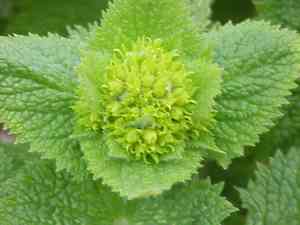
1
White mullein presents a poisonous danger to felines and canines, mainly from consuming its seeds.
2
The seeds of white mullein possess harmful substances, rotenoids and saponins, leading to digestive upset if eaten.
3
Consuming white mullein may induce lightheadedness, head pain, or more serious signs in people and animals.
Is White mullein toxic to humans?
White mullein exhibits a low level of human toxicity, mainly from consuming its seeds. These seeds contain rotenoids and saponins, compounds known to be harmful if ingested. When eaten, these substances can cause various symptoms, including digestive upset like nausea, vomiting, and diarrhea. Additionally, individuals might experience dizziness or headaches from this toxic exposure. It's crucial for people to understand the risks of accidentally eating white mullein seeds, despite their mild toxicity, to avoid any negative health effects.
Is White mullein toxic to cat?
White mullein is a plant that presents a poisonous danger to felines. Exposure to its harmful properties typically happens when a cat accidentally consumes it, especially the seeds, which contain detrimental components like rotenoids and saponins. After ingestion, a cat might experience physical discomfort, showing signs of sickness or pain. Given these potential health hazards, it is vital for cat owners to be watchful and prevent their cats from reaching white mullein. If poisoning is suspected, prompt veterinary care is necessary to ensure the affected cat's health.
Is White mullein toxic to dog?
White mullein is deemed poisonous to canines. Dogs might inadvertently consume parts of white mullein, leading to poisoning. The main way dogs are poisoned is by eating the plant's seeds, which they might ingest by accident. After consumption, dogs may display symptoms indicating poisoning. These symptoms can differ but often include digestive issues such as vomiting and diarrhea, sluggishness, and in severe instances, more serious neurological signs or organ damage. The toxic substances found in white mullein that contribute to its toxicity are rotenoid and saponins. These compounds can be detrimental to dogs if consumed in substantial amounts. It is essential for dog owners to restrict access to white mullein and to be attentive to their pet's surroundings. If a dog is thought to have ingested any part of white mullein, particularly the seeds, immediate veterinary attention is crucial to ensure the best possible outcome for the animal.



