The Hidden Danger in Your Home? Unmasking the Toxicity of the Silver inch plant Plant.
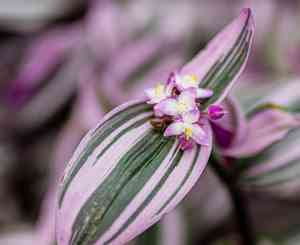
1
The silver inch plant poses a significant toxicity risk to felines and canines, potentially leading to severe health complications if consumed.
2
Felines that ingest any portion of the silver inch plant could exhibit noticeable distress and will need urgent veterinary intervention.
3
Canines consuming silver inch plant may develop symptoms such as emesis, loose stools, or diminished energy, necessitating quick veterinary assistance.
Is Silver inch plant toxic to cat?
The silver inch plant, while visually appealing, poses a poisonous risk to felines. Cats can suffer poisoning if they accidentally consume any portion of this plant. Following ingestion, cats may show noticeable signs of discomfort and distress. Though the specific toxic substances within the silver inch plant are not identified, its general harmfulness can lead to symptoms like gastrointestinal upset or skin irritation upon contact. Cat guardians must block access to this plant and immediately contact a veterinarian if they suspect their cat has been exposed, to ensure swift and proper medical attention.
Is Silver inch plant toxic to dog?
The silver inch plant is known to be harmful to canines. Should a dog ingest any portion of the silver inch plant, as every part is poisonous, it could result in poisoning. Dogs might inadvertently consume the silver inch plant while investigating or playing in areas where it grows. Post-ingestion, a dog could display signs such as throwing up, loose stools, reduced energy, or more severe indicators based on the quantity consumed. It is vital for dog owners to be watchful and stop their pets from getting to the silver inch plant. If a dog does consume this plant, it is absolutely necessary to obtain immediate veterinary attention to ensure correct treatment and handling of any possible poisoning.



