The Hidden Danger in Your Home? Unmasking the Toxicity of the Oyster plant Plant.
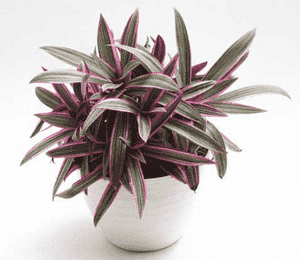
1
The oyster plant presents a danger to feline well-being, especially due to its poisonous fluid or extract.
2
Symptoms of oyster plant toxicity in felines involve bodily distress and demand urgent veterinary consultation.
3
Canines consuming oyster plant may experience emesis, loose stools, excessive salivation, and skin inflammation, requiring swift veterinary intervention.
Is Oyster plant toxic to cat?
Oyster plant presents a danger to felines, categorized as a plant with verified harmful properties. Should cats inadvertently consume portions of oyster plant, especially its internal fluids, intoxication can result. Indicators of such poisoning manifest as clear signs of physical distress. It is vital for cat guardians to be watchful and stop their feline friends from chewing or consuming any part of the oyster plant. Prompt measures are necessary if oyster plant poisoning is suspected, with the immediate action being to obtain expert care from a veterinary clinic to safeguard the well-being of the affected cat.
Is Oyster plant toxic to dog?
Oyster plant is deemed harmful to canines. If dogs accidentally consume parts of oyster plant, they face a risk of poisoning from the plant's internal liquids. Such consumption can trigger various symptoms, potentially including emesis, loose stools, excessive salivation, and skin irritation upon dermal contact. It is essential for dog owners to be attentive and keep their pets away from oyster plant. If a dog does encounter or ingest this plant, it is critical to get immediate veterinary assistance to ensure the most favorable prognosis for the animal.



