The Hidden Danger in Your Home? Unmasking the Toxicity of the Japanese yew Plant.
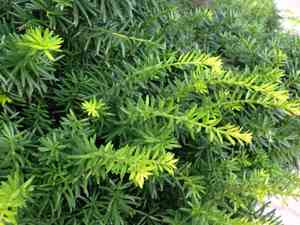
1
The Japanese yew is extremely poisonous, leading to effects ranging from lightheadedness to cardiac arrest, and retains its toxicity even after dying.
2
Taxine poisons penetrate the skin, so always use hand protection when working with the Japanese yew tree.
3
Prompt veterinary care is essential if a feline or canine consumes any portion of the Japanese yew plant.
Is Japanese yew toxic to humans?
The Japanese yew is regarded as one of the most lethal trees known. Every component, excluding the berry flesh, contains poisonous alkaloids called taxine. These toxins are most potent in winter and retain their danger even after the tree's demise. Taxine can be absorbed dermally, so use gloves when handling this tree to avoid sap contact with your skin. Beyond causing severe gastrointestinal issues, taxines induce slow and/or erratic heartbeats, leading to lightheadedness, headaches, tremors, and cardiac and respiratory distress. Ultimately, blood pressure can plummet to fatal levels; respiratory or heart failure may also occur.
Is Japanese yew toxic to cat?
Japanese yew presents a significant toxicity risk to felines, potentially causing severe health issues. Cats can suffer poisoning from consuming any portion of the plant, as all parts are poisonous. Upon exposure, cats may display signs of physical distress, which can be intense due to the plant's highly toxic properties. Cat guardians should be watchful and restrict access to Japanese yew, as even a small quantity can be perilous. If a cat is suspected of ingesting Japanese yew, immediate veterinary attention is essential to manage the poisoning and optimize recovery prospects.
Is Japanese yew toxic to dog?
Japanese yew is extremely poisonous to canines, presenting grave health dangers. Dogs can be poisoned by Japanese yew if they consume any part of the plant, as all components are toxic. Ingestion, even of minor quantities, can result in severe symptoms. Dog guardians should be attentive and prevent their pets from accessing locations where Japanese yew grows. Signs of poisoning might include emesis, loose stools, labored breathing, muscle tremors, convulsions, or even cardiac arrest. It is vital for dog owners to act quickly and seek immediate veterinary assistance if they suspect their dog has consumed Japanese yew. Swift treatment is critical for the highest chance of recovery.



