The Hidden Danger in Your Home? Unmasking the Toxicity of the Texas mountain laurel Plant.
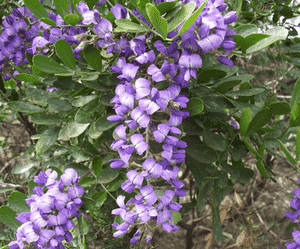
1
Ingesting cytosine from Texas mountain laurel may lead to symptoms such as sickness, loose stools, and confusion.
2
Texas mountain laurel poses a low toxicity risk to felines, though significant quantities can induce considerable physical distress and ailment.
3
If a dog consumes Texas mountain laurel, prompt veterinary attention is crucial to avert serious issues like throwing up and digestive upset.
Is Texas mountain laurel toxic to humans?
The Texas mountain laurel is a poisonous plant, though its adverse effects are generally mild. Every part of the plant contains the toxic alkaloid cytisine, with the seeds being especially dangerous. Cytisine can trigger reactions similar to nicotine, potentially causing digestive issues like vomiting and diarrhea, along with heightened agitation, disorientation, and, in severe instances, a comatose state. No evidence suggests that Texas mountain laurel causes skin irritation upon contact or airborne allergic reactions.
Is Texas mountain laurel toxic to cat?
Texas mountain laurel presents a low level of toxicity to felines. Although all components of the plant are toxic, a substantial amount must typically be consumed to induce poisoning. Cats that consume large quantities of Texas mountain laurel might display signs of physical distress or illness, necessitating immediate veterinary care. Should ingestion occur, it is vital to promptly seek treatment at a veterinary facility to safeguard the affected cat's health and welfare.
Is Texas mountain laurel toxic to dog?
Texas mountain laurel carries a slight toxicity risk for canines. Dogs can experience poisoning from this plant if they consume it in significant quantities. All sections of the Texas mountain laurel are toxic, meaning that ingesting any part—be it leaves, seeds, or blossoms—could potentially lead to poisoning. Symptoms of poisoning might include digestive upset, such as vomiting and diarrhea, alongside more serious indicators depending on the amount consumed. It is crucial for dog owners to supervise their pets closely and restrict access to Texas mountain laurel. If a dog is suspected of having ingested any portion of Texas mountain laurel, immediate veterinary attention is essential to ensure the most favorable outcome.



