The Hidden Danger in Your Home? Unmasking the Toxicity of the Turkey berry Plant.
1
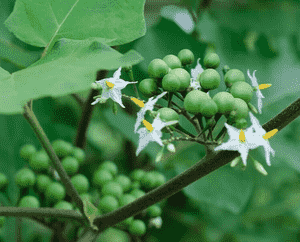
Unripe turkey berry plants are toxic, leading to significant digestive and nervous system issues if their berries or foliage are eaten.
2
Mature turkey berry fruits are safe, yet distinguishing between ripe and unripe ones is exceedingly challenging.
3
Turkey berry poses a moderate health risk to felines and canines, necessitating prompt veterinary attention following consumption.
Is Turkey berry toxic to humans?
Turkey berry is a poisonous plant. Its leaves and unripe fruits contain solanaceous steroidal glycoalkaloids. These harmful substances can lead to mild or severe digestive and nervous system issues. The quantity of berries eaten, as well as a person's age and body mass, influence how severe the symptoms are. Common side effects include sickness, throwing up, and loose stools, along with stomach discomfort. Neurological signs might involve lightheadedness, disorientation, and sluggishness. More serious neurological effects include unclear speech, facial paralysis, high blood pressure, and muscle weakness. Mature berries are not harmful, but distinguishing them from immature ones is very difficult.
Is Turkey berry toxic to cat?
Turkey berry presents a moderate level of danger to cats. Felines might accidentally consume parts of the plant, especially the stem and foliage, leading to poisoning. The existence of glycoalkaloids makes it dangerous. After consumption, a cat may show signs of physical discomfort. Due to the potential harm, it's crucial for cat owners to watch their pets carefully and get immediate veterinary help if any poisoning symptoms appear.
Is Turkey berry toxic to dog?
The plant known as turkey berry carries a moderate risk of toxicity for dogs. Canines might accidentally eat parts of this plant, particularly the stem and leaves, which are known to be harmful. If consumed, dogs could display symptoms indicating poisoning. These symptoms may include digestive upset, sluggishness, or more serious signs depending on the amount ingested. The presence of glycoalkaloids in turkey berry is what makes it toxic. It is essential for dog owners to supervise their pets closely and prevent them from accessing turkey berry. Should a dog consume any part of turkey berry, it is vital to seek immediate veterinary attention to ensure the best possible outcome for the animal.



