The Hidden Danger in Your Home? Unmasking the Toxicity of the Common groundsel Plant.
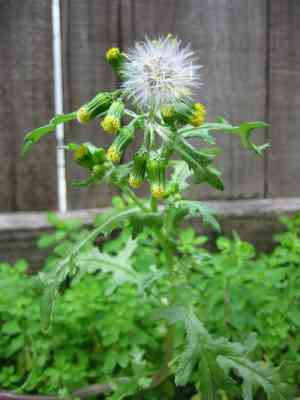
1
Common groundsel's toxicity could lead to developmental abnormalities if consumed by expectant mothers.
2
Felines might display general signs of sickness following the consumption of any portion of common groundsel.
3
Canines exhibiting indications of neurological problems may have eaten common groundsel.
Is Common groundsel toxic to humans?
Common groundsel can lead to negative health effects if any portion of the plant (blossoms, foliage, roots, stalk) is eaten repeatedly over time. Signs of toxicity might include fatigue, throwing up, and central nervous indications of liver malfunction. Over an extended duration, consistent consumption can result in permanent liver damage. Common groundsel toxicity might cause developmental abnormalities if consumed by expectant mothers and presents a danger to nursing babies when ingested by the mother. It can also worsen conditions in individuals with liver ailments. Youngsters also face an elevated risk of poisoning from common groundsel.
Is Common groundsel toxic to cat?
Common groundsel is known to be a poisonous plant for felines. Cats might inadvertently consume portions of common groundsel, as all components are toxic. This could happen either through direct eating or via indirect contact, such as grooming after exposure. Following ingestion of common groundsel, a cat may display signs of physical discomfort, which could encompass various general symptoms indicating sickness. It is crucial that a cat exhibiting any health irregularities after contact with common groundsel be taken to a veterinary clinic without delay to receive the required care and to avert further issues.
Is Common groundsel toxic to dog?
Common groundsel is a poisonous plant for dogs, presenting a considerable health hazard if consumed. Dogs can unintentionally ingest parts of this plant, leading to intoxication. The entire plant, including foliage, stalks, blooms, and seeds, is toxic and can trigger adverse responses in canines. Symptoms of poisoning might include emesis, loose stools, sluggishness, appetite loss, and more serious indicators such as hepatic failure or neurological problems. It's vital for dog guardians to supervise their pets closely and restrict access to common groundsel. In cases of suspected ingestion, prompt veterinary attention is essential to manage the symptoms effectively and offer the best prognosis for recuperation.



