The Hidden Danger in Your Home? Unmasking the Toxicity of the Satin pothos Plant.
1
Every part of the satin pothos contains moderate toxins that, if consumed, can lead to swelling, excessive drooling, and stomach discomfort.
2
The fluid from satin pothos is capable of inducing intense pain and digestive problems in felines, with a potential for fatal outcomes.
3
In uncommon yet serious situations, the calcium oxalate found in satin pothos could trigger seizures, a coma, or even death.
Is Satin pothos harmful to humans?
Every part of the satin pothos poses a moderate risk to human health if consumed, owing to the insoluble calcium oxalates present in its sap. Ingesting it can lead to symptoms such as irritation and swelling of the tongue, lips, and throat, excessive drooling, nausea, diarrhea, and discomfort in the abdomen. Direct skin contact with the sap may also trigger negative responses, especially skin inflammation. As a popular indoor plant, satin pothos might increase the likelihood of poisoning in inquisitive children or through direct skin exposure during plant maintenance.
Is Satin pothos harmful to cats?
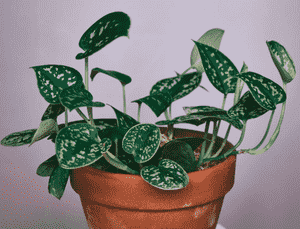
The trailing habit of satin pothos (Scindapsus pictus) makes this prevalent indoor plant an appealing plaything for felines. Prevent them from gnawing on the foliage, as the plant's sap can induce intense discomfort in a cat's mouth, digestive problems, and potentially be fatal. There is no specific antidote for satin pothos intoxication, but contacting a vet immediately upon recognizing consumption is crucial to devise a course of action.
Is Satin pothos harmful to dogs?
Satin pothos presents a mild to significant risk to canines, contingent on the amount consumed. Fortunately, dogs typically only ingest small portions of this plant, which has a distinct bitter taste and often causes immediate discomfort. The entire plant contains calcium oxalate, which, when eaten, produces an intense burning sensation inside and around the mouth. It frequently also irritates the digestive tract, resulting in stomach pain, loose stools, and vomiting. Ingesting very large quantities of calcium oxalate could potentially lead to convulsions, unconsciousness, or fatality – though such occurrences are exceedingly uncommon.



