The Hidden Danger in Your Home? Unmasking the Toxicity of the Portuguese squill Plant.
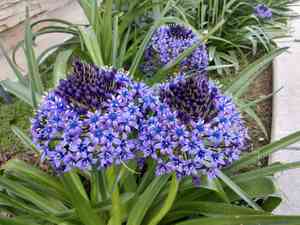
1
The bulb of the Portuguese squill is the sole component of the plant recognized for its poisonous characteristics, primarily due to its glycoside content.
2
Consuming the bulb of the Portuguese squill can lead to digestive upset, lightheadedness, and an irregular heartbeat in humans.
3
If cats or dogs consume any part of the Portuguese squill, they might exhibit signs such as throwing up, loose stools, and excessive salivation; prompt veterinary attention is essential.
Is Portuguese squill toxic to humans?
Portuguese squill exhibits a low level of toxicity to humans, mainly from consuming its bulb. The bulb contains glycoside compounds, which are responsible for the plant's harmful characteristics. When a person ingests the bulb of Portuguese squill, they might experience various symptoms indicating glycoside poisoning. These symptoms can involve digestive upset, such as sickness, throwing up, and loose stools. Furthermore, individuals may suffer from lightheadedness, feebleness, and occasionally, an irregular heartbeat. It is crucial to be aware of the potential dangers linked to the unintentional consumption of Portuguese squill's bulb, especially since it is the sole part of the plant known to be poisonous. Precautions should be taken to prevent accidental intake, particularly by children and animals who might be attracted to the plant's appealing look.
Is Portuguese squill toxic to cat?
Portuguese squill has a low level of toxicity for felines. Exposure typically happens when cats accidentally consume a portion of the plant, with the bulb being the most harmful part. The glycoside found in the plant can lead to signs of physical discomfort. Cat owners should watch for any indications of illness and are advised to quickly get veterinary help if poisoning is suspected to guarantee their pet's health.
Is Portuguese squill toxic to dog?
Portuguese squill presents a slight toxicity danger to canines. Dogs might inadvertently eat parts of the plant, especially the bulb, which is known to be poisonous. If a dog consumes any part of Portuguese squill, they could show symptoms like throwing up, loose stools, or excessive salivation. The existence of glycoside compounds in the plant contributes to these negative reactions. Should a dog ingest Portuguese squill, it is essential for pet owners to seek immediate veterinary attention to ensure appropriate treatment and handling of any potential poisoning.



