The Hidden Danger in Your Home? Unmasking the Toxicity of the Octopus tree Plant.
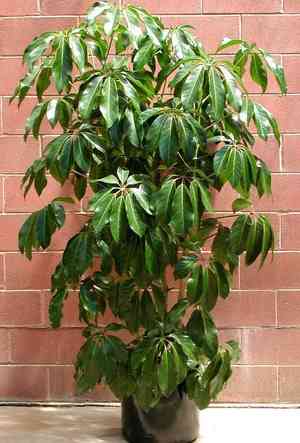
1
The octopus tree possesses calcium oxalate crystals, which can lead to skin irritation and, if consumed, potentially serious digestive problems.
2
In felines, the octopus tree may induce vomiting or diarrhea because of its saponins and other harmful compounds.
3
Consumption of the octopus tree by canines can result in significant swelling, possibly impeding respiration.
Is Octopus tree toxic to humans?
The Octopus tree poses a potential toxicity risk to humans upon contact or consumption, though effects are typically minor. Its sap, roots, foliage, and bark all contain calcium oxalate crystals, rendering them potentially harmful. Skin irritation can result from touching the sap, while consuming toxic parts may lead to nausea and vomiting. In severe instances, kidney failure could occur. Always wear gloves when handling or pruning this plant, especially when sap might be released.
Is Octopus tree toxic to cat?
Octopus tree (Schefflera actinophylla) presents a moderate poisoning risk to felines due to its saponins and other toxins, which can induce appetite loss or leucopenia. However, symptoms more frequently involve vomiting or diarrhea. Ingesting any portion of this plant can trigger these symptoms, and veterinary consultation is recommended if they persist.
Is Octopus tree toxic to dog?
Your dog might encounter the octopus tree as an indoor plant; ensure they avoid its moderately toxic leaves and branches. The sap, present throughout the entire plant, contains calcium oxalate crystals that can cause significant pain and irritation to the skin, mouth, and digestive system upon contact. If your dog consumes a substantial quantity of the plant, swelling could become severe enough to impede breathing. Prompt veterinary attention is strongly advised.



