The Hidden Danger in Your Home? Unmasking the Toxicity of the African blood lily Plant.
1
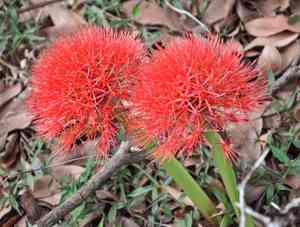
African blood lily possesses toxic alkaloids such as Lycorine, primarily located in its foliage, blossoms, and corms.
2
Significant health danger to felines: Consumption leads to swift digestive and nervous system issues, requiring prompt veterinary care.
3
Elevated toxicity for canines: Keep dogs away from african blood lily to prevent severe signs including emesis, loose stools, and stomach discomfort.
Is African blood lily toxic to humans?
The African blood lily, similar to all *Scadoxus* varieties, possesses toxic alkaloids such as Lycorine. These compounds are primarily found in the foliage, blooms, and bulbs. Ingesting small quantities leads to digestive issues like sickness, profuse drooling, throwing up, and loose stools. Larger doses can trigger seizures, potentially fatal abdominal pain or dysentery-like signs, and sudden demise. Ensure these plants are kept out of reach of children and individuals with cognitive impairments.
Is African blood lily toxic to cat?
African blood lily presents a significant health danger to felines, with elevated toxicity especially concentrated in its foliage and root. Should a cat consume these plant components, the harmful substances rapidly take effect, causing a swift appearance of signs indicating physical distress, including digestive upset and neurological problems. These manifestations highlight the gravity of poisoning and necessitate urgent veterinary care. Given the seriousness of this threat, it is vital to restrict access to African blood lily and to promptly seek treatment at a veterinary clinic if a cat is exposed to the plant.
Is African blood lily toxic to dog?
African blood lily poses a considerable toxicity hazard to canines. When dogs consume portions of this plant, particularly its leaves or tuber, they can experience poisoning. Such ingestion can result in various symptoms, which might include emesis, loose stools, sluggishness, stomach discomfort, and potentially more severe responses depending on the quantity consumed. Due to the elevated toxicity level of African blood lily, it is essential for dog guardians to prevent their pets from accessing any part of the plant. If a dog is suspected of having ingested African blood lily, immediate veterinary intervention is critical to manage the poisoning effectively.



