The Hidden Danger in Your Home? Unmasking the Toxicity of the Rue Plant.
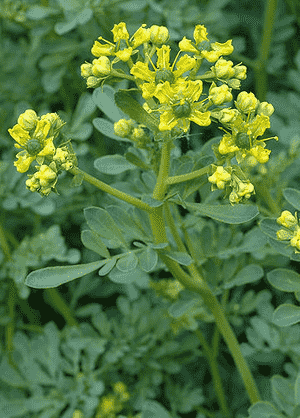
1
Rue induces phytophotodermatitis:Sunlight exposure after skin contact can lead to painful blistering.
2
Consuming rue may result in organ failure:Severe intoxication has the potential to cause systemic organ damage and be fatal.
3
Harmful to animals:Rue toxicity in felines and canines can cause significant digestive issues and skin inflammation.
Is Rue toxic to humans?
Rue is highly poisonous if ingested in significant quantities. It also acts as a skin irritant, leading to phytophotodermatitis, which are painful blisters that emerge upon sun exposure. Milder symptoms include swelling and redness. Consuming substantial amounts of this herb can induce intense stomach cramps. Vomiting and diarrhea are frequent and can become severe. In extreme instances, systemic organ failure may occur, ultimately resulting in fatality.
Is Rue toxic to cat?
Rue is categorized as poisonous to felines. The threat it poses to cat health can manifest if cats ingest any portion of the plant, including foliage and stalks, or encounter its sap. Signs of poisoning in cats might encompass digestive upset, skin irritation, or more serious responses contingent on the degree of exposure and the individual cat's susceptibility. Should a cat consume rue or display any indication of distress linked to potential poisoning, it is crucial to obtain prompt veterinary attention to guarantee appropriate treatment and lessen dangers to the cat's health.
Is Rue toxic to dog?
Rue is deemed harmful to canines. Dogs can suffer poisoning from this plant if they accidentally consume it. The hazardous components of the plant include all parts, with particular emphasis on the leaves and the sap/juice. If a dog ingests any part of rue, it might display symptoms such as digestive upset, emesis, loose stools, excessive drooling, or more severe reactions depending on the quantity consumed. Given the potential seriousness of rue poisoning, it is vital for dog owners to restrict access to this plant and to seek immediate veterinary assistance if their pet exhibits any indications of poisoning.



