The Hidden Danger in Your Home? Unmasking the Toxicity of the Live oak Plant.
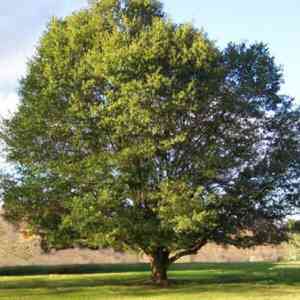
1
The tissues of live oak trees possess tannins, which can lead to digestive problems such as constipation, diarrhea, and abdominal cramps in the majority of animals.
2
Ingested whole acorns from live oak trees have the potential to block intestines, presenting a serious health danger.
3
Live oak presents a low toxicity threat to felines, potentially causing signs like stomach upset, throwing up, or loose stools.
Is Live oak toxic to humans?
The live oak tree's tissues, including its foliage and seeds, contain tannins. This renders the plant unpalatable to most animals, causing them to avoid it. However, young children and individuals prone to ingesting non-food items require close supervision near this plant. Tannins primarily induce gastrointestinal issues like constipation, diarrhea, nausea, abdominal cramps, and severe flatulence. Over time, exposure can lead to depressive symptoms and dark, copious urine. Whole acorns, if swallowed, can also cause intestinal blockage.
Is Live oak toxic to cat?
Live oak poses a low toxicity risk to felines and can result in health concerns if consumed in large quantities. The plant components that are hazardous are mainly the leaves and seeds. When ingested by cats, these parts might trigger signs of physical discomfort or illness. Should a cat display any unusual conduct or distress after contact with live oak, immediate professional veterinary attention is crucial. Prompt action is vital in managing the effects of live oak poisoning, ensuring the best prognosis for the affected cat.
Is Live oak toxic to dog?
Live oak presents a low toxicity risk to canines. Intoxication typically happens when a dog consumes substantial amounts of the plant, especially its leaves or seeds. Following ingestion of these live oak parts, dogs might show symptoms such as digestive upset, emesis, or loose stools. It is vital for dog guardians to observe their pets and stop them from eating large quantities of live oak. If a dog does consume a significant amount of live oak and exhibits signs of poisoning, seeking immediate veterinary care is paramount for appropriate treatment and recuperation.



