The Hidden Danger in Your Home? Unmasking the Toxicity of the Shumard oak Plant.
1
The tissues of the Shumard oak tree possess tannins that induce digestive issues such as sickness and abdominal discomfort.
2
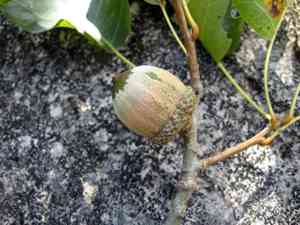
Shumard oak acorns, if ingested whole, can lead to choking in children or block their intestinal tract.
3
For pets, the Shumard oak presents a low toxicity hazard, resulting in digestive distress like throwing up and loose stools.
Is Shumard oak harmful to people?
The Shumard oak tree's components, including its foliage and acorns, contain tannins. This renders the plant quite unpalatable to most creatures, who typically avoid it. However, young children might accidentally consume portions of the tree. Tannins primarily induce gastrointestinal issues, such as constipation, loose stools, sickness, abdominal cramps, and colic. Over time, affected individuals may exhibit signs of depression and frequent dark urine as their system attempts to eliminate the harmful substance. Whole acorns, if swallowed, could also cause choking or intestinal blockage in a child.
Is Shumard oak harmful to felines?
Shumard oak presents a low-level toxicity hazard to cats. Consuming large quantities of its leaves and seeds could result in the animals experiencing physical distress or sickness. While the precise harmful compounds are not specified, it's crucial to watch for any indications of illness that might stem from ingesting these parts of the Shumard oak. Should a cat exhibit health problems after contact with Shumard oak, it is vital to obtain prompt veterinary attention to safeguard their health.
Is Shumard oak harmful to canines?
The Shumard oak plant species carries a minor toxicity risk for dogs. Dogs might experience poisoning from this plant if they consume substantial amounts of its leaves or seeds. If ingestion happens, pet guardians should be aware of possible symptoms that could appear, such as digestive upset, including throwing up and loose stools. It is essential for dog owners to supervise their pets closely and restrict access to the poisonous sections of Shumard oak. In the event that a dog does ingest a considerable amount of Shumard oak, it is imperative to seek immediate veterinary assistance to ensure the animal's health and welfare.



