The Hidden Danger in Your Home? Unmasking the Toxicity of the Willow oak Plant.
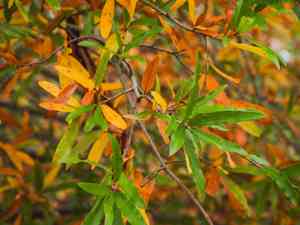
1
Ingestion of substantial amounts of willow oak can lead to bloody stools and excessive thirst, attributed to the tannins present in its foliage and acorns.
2
Willow oak poses a toxicity risk to felines and canines, potentially causing symptoms such as emesis, loose stools, and stomach discomfort.
3
Frequently planted as an ornamental tree in public spaces and residential areas, willow oak is readily available to youngsters who could inadvertently ingest its harmful components.
Is Willow oak harmful to people?
As an oak species, willow oak can be somewhat harmful if consumed. It leads to mild to moderate symptoms, particularly if consumed in significant amounts. This harmfulness stems from the tannins present in the young foliage and acorns. These components, if ingested, can induce digestive upset, constipation, loose stools, bloody feces, and intense thirst. In severe instances, kidney function may also be compromised. These trees are common decorative features in public spaces and private gardens, making them readily accessible to children who might inadvertently pick up and consume the leaves or acorns.
Is Willow oak harmful to felines?
Willow oak has been determined to possess slight harmfulness to cats. Intoxication typically happens when the plant's foliage or seeds are consumed in large quantities. While the precise harmful compounds are not specified, cat guardians should be aware that ingestion can result in physical discomfort or sickness. Should poisoning be suspected, it is crucial to obtain veterinary attention swiftly to safeguard the affected cat's health and welfare.
Is Willow oak harmful to canines?
The plant variety willow oak is regarded as having a minor degree of harmfulness to dogs. Dogs can experience poisoning from willow oak if they consume substantial quantities of the plant's leaves or seeds. It is vital for dog owners to identify potential indicators of poisoning, which might include throwing up, loose stools, or stomach discomfort. If a dog ingests parts of willow oak, it is essential to seek immediate care at a veterinary facility to guarantee the pet's health and safety.



