The Hidden Danger in Your Home? Unmasking the Toxicity of the Cherrybark oak Plant.
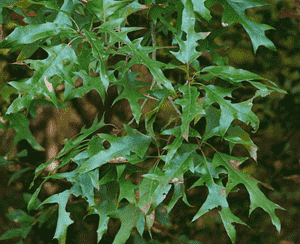
1
Cherrybark oak poses a slight toxicity threat to felines, requiring precautions to prevent consumption.
2
Signs in cats following cherrybark oak ingestion involve digestive distress, throwing up, and sluggishness.
3
Prompt veterinary attention is essential if a cat or dog displays negative responses from eating cherrybark oak.
Is Cherrybark oak toxic to cat?
Cherrybark oak poses a slight toxicity threat to felines. Poisoning typically happens when cats eat significant amounts of the plant's foliage or acorns. Following ingestion of cherrybark oak, a cat might show signs of physical unease or distress. Due to the potential for harm, it's crucial for cat owners to block access to the toxic components of cherrybark oak and observe their pets for any illness indicators. If a cat consumes cherrybark oak and displays negative responses, prompt veterinary attention is vital for their well-being and security.
Is Cherrybark oak toxic to dog?
The cherrybark oak plant species is recognized as having a low level of toxicity for canines. Dogs can be poisoned by this plant if they consume considerable quantities of its leaves or seeds. Pet guardians should be watchful as ingesting large amounts could lead to negative health consequences. Symptoms that might appear after a dog has eaten parts of cherrybark oak include digestive upset, such as throwing up and loose stools, sluggishness, or more serious responses depending on the quantity consumed. As the specific harmful compounds are not specified, it is vital for dog owners to keep their pets from reaching any part of the plant. If a dog is suspected of being poisoned by cherrybark oak, it is critical to get immediate veterinary help to ensure appropriate treatment and symptom management.



