The Hidden Danger in Your Home? Unmasking the Toxicity of the Chestnut oak Plant.
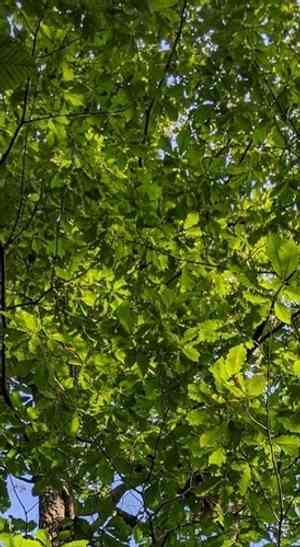
1
The acorns of the chestnut oak tree are sweet and may entice children, which could result in serious poisoning.
2
Signs of chestnut oak poisoning encompass depressive indicators and the excretion of discolored urine.
3
Both felines and canines can suffer poisoning from consuming chestnut oak foliage or seeds, requiring prompt veterinary attention.
Is Chestnut oak toxic to humans?
The chestnut oak tree's tissues, particularly its leaves and seeds, contain tannins. Typically, these make them quite bitter. Regrettably, its acorns are said to have a sweet flavor, which might entice children to consume more, leading to more severe poisoning. Tannins primarily induce digestive issues like constipation, diarrhea, nausea, cramping, and abdominal pain. Eventually, affected individuals may experience depressive symptoms and frequent dark urine as their body attempts to eliminate the toxin. Furthermore, any whole acorns swallowed can also cause choking or intestinal blockage.
Is Chestnut oak toxic to cat?
Chestnut oak presents a low level of toxicity to felines. Cats might experience poisoning if they consume substantial quantities of the plant's foliage or seeds. While the exact toxic compounds are not identified, cat owners should watch for signs of physical distress or abnormal behavior that could signal poisoning. Should ingestion occur, immediate veterinary attention is crucial to safeguard the pet's well-being.
Is Chestnut oak toxic to dog?
The chestnut oak plant species is recognized as having a low toxicity level for canines. Dogs can become poisoned by chestnut oak mainly if they ingest significant quantities of the plant's leaves or seeds. Pet owners must be watchful, as consuming large amounts could result in health problems for their dog companions. Symptoms that might appear after a dog has eaten parts of chestnut oak include digestive upset, such as vomiting or diarrhea, and in some instances, more serious responses depending on the quantity consumed. It is vital for dog owners to observe their pets' conduct and prevent them from accessing areas where chestnut oak is plentiful. If a dog is suspected of chestnut oak poisoning, seeking prompt veterinary care is essential for appropriate treatment and symptom management.



