The Hidden Danger in Your Home? Unmasking the Toxicity of the Swamp chestnut oak Plant.
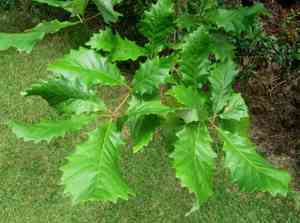
1
Swamp chestnut oak has tannins that may lead to digestive issues, bloody feces, and excessive thirst in people and animals.
2
Kids might unintentionally consume harmful portions of swamp chestnut oak since it's frequently found in public spaces and gardens.
3
Immediate veterinary attention is crucial if animals exhibit discomfort after ingesting swamp chestnut oak.
Is Swamp chestnut oak toxic to humans?
Swamp chestnut oak possesses minor toxic qualities that become active upon consumption, similar to numerous other oak varieties. If specific portions are eaten, it leads to mild to moderate symptoms. The nascent foliage and acorns are poisonous due to their tannin content. These tannins induce symptoms like stomach discomfort, constipation, loose stools, bloody feces, and intense thirst. In severe instances, kidney function can be impaired. Given these trees' prevalence in public spaces and private gardens, they are often accessible to children, who might inadvertently consume young leaves or fallen acorns.
Is Swamp chestnut oak toxic to cat?
Swamp chestnut oak presents a low toxicity hazard to felines if they consume its foliage or seeds in substantial quantities. While the precise harmful compounds are not identified, cat guardians should be aware that contact with the plant can result in indications of physical unease. It is crucial for cat owners to observe their pets and deter them from ingesting large quantities of the plant. Should a cat exhibit any changes in health or distress, an immediate visit to a veterinary clinic is essential for the cat's health and recuperation.
Is Swamp chestnut oak toxic to dog?
Swamp chestnut oak carries a slight toxicity risk for canines. Dogs can experience poisoning from ingesting considerable amounts of the plant's leaves or seeds. If consumed in significant quantities, a dog might display signs of digestive upset, including emesis and loose stools. It is vital for dog owners to supervise their pets and prevent them from consuming large sections of swamp chestnut oak. Should a dog ingest a substantial quantity of swamp chestnut oak, it is imperative to seek prompt veterinary attention to ensure appropriate treatment and management of any potential poisoning effects.



