The Hidden Danger in Your Home? Unmasking the Toxicity of the Overcup oak Plant.
1
The acorns and young foliage of overcup oak possess a more agreeable flavor, elevating the risk of toxicity for small children and susceptible persons.
2
Felines subjected to significant quantities of overcup oak might exhibit indicators of bodily distress and sickness.
3
Canines ingesting overcup oak could suffer from digestive disturbances such as emesis and loose stools, requiring prompt veterinary attention.
Is Overcup oak toxic to humans?
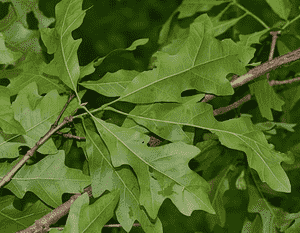
The tissues of the overcup oak tree contain tannins, particularly in its nascent foliage and seeds. It actually contains fewer tannins than most oak varieties. Regrettably, this makes its acorns and young leaves more palatable, thereby increasing the risk of poisoning. Small children and individuals with cognitive impairments might consume portions of the tree. Tannins primarily induce digestive issues, including constipation, loose stools, stomach upset, abdominal cramps, and excessive flatulence. Eventually, affected individuals may experience symptoms of depression and frequent dark urination. Whole acorns, if swallowed, can also cause intestinal blockage.
Is Overcup oak toxic to cat?
Overcup oak exhibits a low level of toxicity for felines. Cats can experience poisoning from overcup oak if they consume substantial quantities of its foliage or seeds. Following ingestion, cats might show signs of physical distress or sickness. While the precise toxic compounds remain unidentified, it's vital to observe cats for any negative responses. If a cat is suspected of having consumed parts of overcup oak, it is critical to promptly seek veterinary attention to safeguard their well-being.
Is Overcup oak toxic to dog?
The overcup oak plant species is recognized for its mild toxicity to canines. Dogs can suffer poisoning from this plant if they consume large quantities of its leaves or seeds. Dog guardians should be watchful, as significant ingestion could lead to detrimental health outcomes. Symptoms that might appear after a dog has ingested parts of overcup oak include digestive upset, such as throwing up and loose stools, sluggishness, or more severe reactions depending on the amount consumed. It's essential for pet owners to observe their dogs' conduct and restrict access to these plant components. Should a dog ingest overcup oak, immediate veterinary intervention is crucial to manage any potential poisoning.



