The Hidden Danger in Your Home? Unmasking the Toxicity of the Shingle oak Plant.
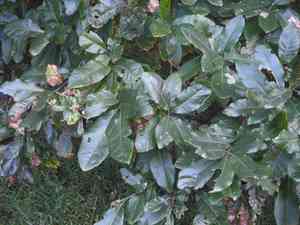
1
The shingle oak tree's internal structures possess tannins, which may lead to gastrointestinal problems and mood disturbances in people if consumed.
2
Ingested acorns from the shingle oak tree could cause a child to choke or experience intestinal blockage, presenting a serious health hazard.
3
Felines and canines may exhibit severe responses if they consume substantial amounts of the shingle oak tree's foliage or reproductive parts.
Is Shingle oak toxic to humans?
The shingle oak tree's tissues, including its foliage and seeds, contain tannins. This renders the plant highly unpalatable to most animals, who typically avoid it. However, young children and individuals with cognitive impairments might consume parts of the tree. Tannins primarily induce gastrointestinal issues like constipation, diarrhea, nausea, abdominal cramps, and colic. Over time, affected individuals may exhibit depressive signs and excrete discolored urine as their system attempts to eliminate the toxin. Whole acorns, if swallowed, can also pose a choking hazard or cause intestinal blockage in a child. Ensure children are kept away from this plant.
Is Shingle oak toxic to cat?
Shingle oak presents a low-level toxicity risk to cats. Exposure to harmful substances can happen if a feline consumes substantial amounts of specific components, such as the leaves or seeds. Pet owners should be watchful, as two possible routes to poisoning involve playful chewing or consumption driven by curiosity. Ingestion can result in signs of physical discomfort or negative reactions necessitating attention. If symptoms of illness appear after a cat encounters shingle oak, it is vital to obtain immediate veterinary assistance to manage the cat's well-being and avert further issues.
Is Shingle oak toxic to dog?
The shingle oak plant species is regarded as having a moderate level of toxicity for dogs. Canines can experience poisoning from this plant mainly if they ingest large quantities of its leaves or seeds. Pet guardians should be attentive, as consuming these parts in significant amounts could lead to detrimental health consequences. Symptoms that might emerge after a dog has ingested shingle oak include digestive upset, such as emesis and loose stools, sluggishness, or more severe indicators depending on the quantity consumed. It is essential for dog owners to observe their pets' conduct and restrict access to these plant components. Should a dog consume shingle oak, it is crucial to seek immediate veterinary attention to guarantee proper treatment and symptom management.



