The Hidden Danger in Your Home? Unmasking the Toxicity of the Ring-cupped oak Plant.
1
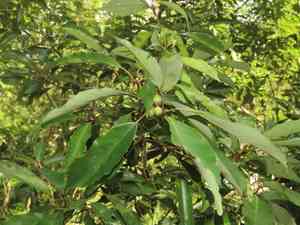
Every part of the ring-cupped oak possesses harmful tannins, causing signs such as sickness, throwing up, and loose stools if eaten.
2
Felines and canines are especially susceptible to ring-cupped oak toxicity, frequently showing digestive distress if they eat the plant.
3
Prompt veterinary attention is essential for pets that accidentally consume ring-cupped oak to properly address potential poisoning.
Is Ring-cupped oak toxic to humans?
Ring-cupped oak exhibits a low level of toxicity to humans, as all plant components contain substances capable of causing negative reactions if consumed. The toxic agent in ring-cupped oak is believed to be tannins, which, when ingested, can trigger various symptoms. Individuals who inadvertently consume parts of ring-cupped oak might experience digestive discomfort, including nausea, vomiting, and diarrhea. Occasionally, more serious symptoms like abdominal pain and headaches may appear. It is crucial for people to exercise caution and refrain from eating any part of ring-cupped oak to avoid these undesirable effects.
Is Ring-cupped oak toxic to cat?
Ring-cupped oak is considered to have slight toxicity for felines. Should cats accidentally consume portions of ring-cupped oak, they face a risk of poisoning. The whole plant, encompassing leaves, stems, and acorns, contains tannins, which are the harmful compounds responsible for the adverse reactions. Signs of poisoning might involve digestive upset, potentially appearing as vomiting or diarrhea, alongside other indicators of physical distress. Cat guardians should be watchful and stop their pets from chewing on ring-cupped oak. In the regrettable instance of poisoning, it is vital to promptly seek professional care at a veterinary clinic.
Is Ring-cupped oak toxic to dog?
The plant species ring-cupped oak is recognized for its mild toxicity to canines. Dogs can suffer poisoning from this plant if they ingest any part of it, as the entire plant is harmful. Upon consumption, even in small quantities, dogs may display symptoms such as digestive upset, vomiting, or diarrhea. The tannins present in ring-cupped oak contribute to its toxic characteristics, and these compounds can lead to the aforementioned symptoms when ingested. It is essential for dog owners to supervise their pets closely and restrict access to ring-cupped oak, particularly if the dog tends to eat plants. Should a dog consume ring-cupped oak, it is critical to seek immediate veterinary attention for appropriate treatment and management of any potential poisoning.



