The Hidden Danger in Your Home? Unmasking the Toxicity of the Southern red oak Plant.
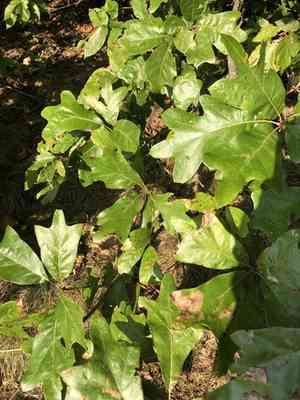
1
Tannins present in Southern red oak can lead to digestive problems such as constipation, diarrhea, nausea, abdominal cramps, and colic.
2
Ingesting whole acorns from the southern red oak may result in choking or an intestinal blockage.
3
Felines and canines might display signs of distress following the consumption of leaves or seeds from the southern red oak.
Is Southern red oak toxic to humans?
The Southern red oak tree's tissues, including its leaves and seeds, contain tannins. This makes the plant very unpalatable to most animals, who typically avoid it. However, young children and individuals with cognitive impairments might consume parts of the tree. Tannins primarily lead to digestive issues like constipation, diarrhea, nausea, cramping, and abdominal pain. Over time, affected individuals may experience depressive symptoms and frequent passage of dark urine as their body attempts to eliminate the toxin. Furthermore, whole acorns, if swallowed, can cause choking or intestinal blockage.
Is Southern red oak toxic to cat?
Southern red oak presents a low toxicity risk to felines, which can manifest if these pets consume its foliage or seeds in considerable amounts. While the precise toxic compounds are not specified, cat guardians should be mindful of potential general signs of physical discomfort that might appear after ingestion. Should any unusual indications of illness or pain in their cat be observed, such as behavioral shifts or appetite changes, owners are encouraged to promptly seek expert care from a veterinary clinic to safeguard their feline companion's health.
Is Southern red oak toxic to dog?
Southern red oak presents a low toxicity hazard to canines, especially when they consume large quantities of the plant. The components that can cause poisoning if ingested in significant amounts are the leaves and seeds. Dogs that have been poisoned might display symptoms such as digestive upset, including emesis and loose stools. It is vital for dog owners to supervise their pets closely and prevent them from consuming substantial portions of southern red oak. Should a dog ingest southern red oak and begin to show signs of discomfort, it is imperative to seek immediate veterinary attention to ensure appropriate treatment and recuperation.



