The Hidden Danger in Your Home? Unmasking the Toxicity of the Scarlet oak Plant.
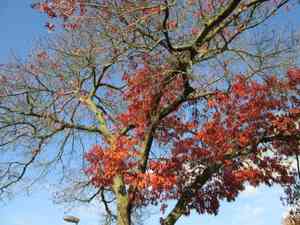
1
The tissues of the scarlet oak tree possess tannins, which may lead to gastrointestinal issues such as constipation, loose stools, and abdominal discomfort.
2
Ingesting portions of scarlet oak might induce signs of depression and darkened urine as the body eliminates the harmful substance.
3
Scarlet oak poses a low toxicity risk to felines and canines, potentially resulting in unease, emesis, or loose bowel movements.
Is Scarlet oak toxic to humans?
The scarlet oak tree's tissues, including its leaves and seeds, contain tannins. This substance makes the plant very unpalatable to most animals, who typically avoid it. However, young children and individuals with cognitive impairments might consume parts of the tree. Tannins primarily lead to digestive issues like constipation, diarrhea, nausea, and abdominal cramps. Over time, affected individuals may experience symptoms of depression and the frequent excretion of discolored urine as their system attempts to eliminate the toxin. Whole acorns, if swallowed, can also cause intestinal blockages.
Is Scarlet oak toxic to cat?
Scarlet oak presents a low toxicity risk to felines. Cats can experience poisoning from consuming substantial quantities of the plant's foliage or seeds. Following ingestion of scarlet oak components, cats might display indicators of physical discomfort or sickness. Pet owners should diligently prevent their cats from gnawing on or eating this plant to avert potential health problems. If a cat does consume scarlet oak, it is crucial to obtain prompt veterinary attention to ensure appropriate treatment is provided.
Is Scarlet oak toxic to dog?
The scarlet oak plant species carries a low toxicity risk for canines. Dogs may experience poisoning mainly by consuming considerable amounts of the plant's leaves and seeds. If a dog ingests parts of scarlet oak, it might show signs consistent with poisoning, such as gastrointestinal upset, including vomiting or diarrhea, and in certain instances, more severe responses depending on the quantity consumed. It is essential for dog owners to supervise their pets closely and restrict access to scarlet oak to prevent potential poisoning events. Should a dog exhibit any distress after consuming this plant, it is vital to seek immediate veterinary assistance to ensure quick and suitable treatment.



