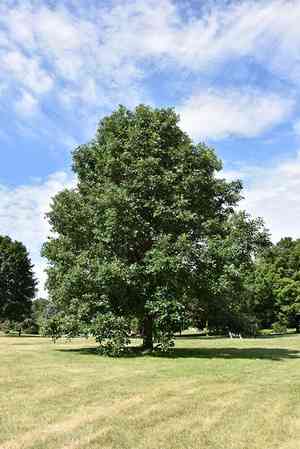
The Hidden Danger in Your Home? Unmasking the Toxicity of the Swamp white oak Plant.
1
The swamp white oak contains harmful substances that can lead to abdominal pain, difficulty with bowel movements, and increased urination if consumed by people.
2
Ingesting portions of the swamp white oak plant can result in poisoning for felines, manifesting as signs of distress or sickness.
3
Canines consuming significant amounts of swamp white oak might suffer from digestive issues or breathing difficulties.**
Is Swamp white oak toxic to humans?
Swamp white oak contains harmful substances that can be dangerous if consumed. The effects of ingestion are typically mild to moderate and are caused by tannins found in the young foliage and acorns. Symptoms include abdominal pain, difficulty with bowel movements, bloody feces, loose stools, frequent urination, and intense thirst. As these trees are frequently used for landscaping in public spaces and private gardens, they are often readily available to people, particularly susceptible individuals like children, who might pick up and eat the young leaves and acorns without knowing they are unsafe.
Is Swamp white oak toxic to cat?
Swamp white oak has a low level of toxicity for cats, which can cause negative reactions if significant amounts of the plant are consumed. Specifically, the foliage and seeds of swamp white oak are harmful to felines. When these plant components are eaten, cats may show general signs of discomfort or illness. Prompt veterinary care should be sought by bringing the cat to an animal hospital to avoid complications from ingesting swamp white oak. It is essential to ensure that cats are prevented from reaching or chewing on the plant to protect their well-being.
Is Swamp white oak toxic to dog?
Swamp white oak presents a low toxicity hazard to dogs. Canines may experience poisoning if they consume large quantities of the plant, especially its leaves and seeds. Following the ingestion of parts of swamp white oak, dogs might display symptoms such as digestive upset or breathing difficulties. It is vital for dog owners to supervise their pets and stop them from eating substantial amounts of this plant. Should a dog ingest swamp white oak and show negative responses, it is crucial to seek immediate veterinary attention to ensure appropriate treatment and handling of any potential poisoning.



