The Hidden Danger in Your Home? Unmasking the Toxicity of the Coast live oak Plant.
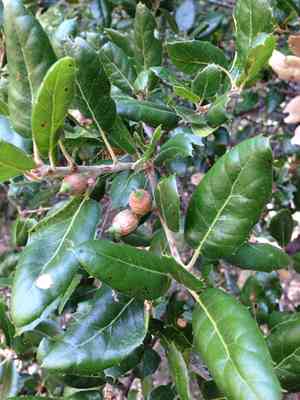
1
The tannins present in coast live oak may lead to significant digestive issues, manifesting as constipation, diarrhea, sickness, and abdominal pain.
2
Ingested acorns from coast live oak pose a risk of choking or intestinal blockage for susceptible individuals, such as young children.
3
Pets like cats and dogs might display signs of illness following the consumption of substantial amounts of coast live oak leaves or seeds, requiring prompt veterinary attention.
Is Coast live oak toxic to humans?
The tissues of the coast live oak tree, including its leaves and seeds, contain tannins. This renders the plant quite unpalatable to most animals, who typically avoid it. However, young children and other susceptible individuals might accidentally consume parts of the tree. Tannins primarily lead to digestive issues like constipation, diarrhea, nausea, cramping, and abdominal pain. Over time, affected individuals may experience symptoms of depression and dark, copious urine. Furthermore, whole acorns, if swallowed, can cause choking or intestinal blockage. Ensure young children stay clear of this tree.
Is Coast live oak toxic to cat?
Coast live oak exhibits slight toxicity to felines. Cats face a poisoning risk if they consume substantial amounts of this plant's foliage or seeds. Following ingestion, cats might display indications of physical discomfort or sickness. In such instances, it is crucial to obtain prompt veterinary attention to lessen negative impacts and safeguard the cat's health and welfare.
Is Coast live oak toxic to dog?
Coast live oak presents a minor toxicity hazard to canines. Dogs can be poisoned by this plant if they consume significant quantities of its leaves or seeds. After consuming parts of coast live oak, dogs may show signs such as digestive upset, vomiting, or loose stools. It is vital for dog owners to supervise their pets and prevent them from ingesting large amounts of this plant. Should a dog ingest coast live oak and exhibit poisoning symptoms, immediate veterinary care is essential to ensure the animal's health and safety.



