The Hidden Danger in Your Home? Unmasking the Toxicity of the Flowering almond Plant.
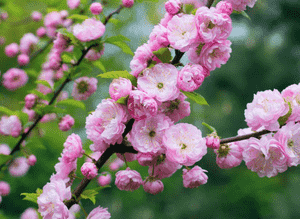
1
Flowering almond possesses poisonous characteristics that can be detrimental to humans if consumed, potentially resulting in fatality.
2
The branches, foliage, and kernels of flowering almond contain hazardous hydrogen cyanide.
3
Signs of flowering almond consumption encompass difficulty breathing, feebleness, and an elevated pulse.
Is Prunus triloba poisonous to people?
Accounts suggest that flowering almond possesses harmful characteristics capable of causing illness in humans if consumed, whether intentionally or unintentionally. Ingesting this plant may presumably result in severe symptoms, potentially culminating in fatality in extreme scenarios. The branches, foliage, and seeds, which contain hazardous hydrogen cyanide, are commonly identified as the toxic components. Indicators include difficulty breathing, fatigue, elevated heart rate, and can, in some instances, be lethal. Individuals might inadvertently consume the seeds, mistaking them for safe wild edibles.



