The Hidden Danger in Your Home? Unmasking the Toxicity of the Chinese plum Plant.
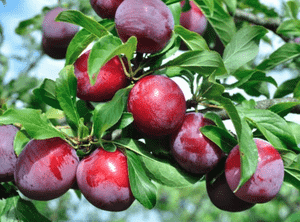
1
Chinese plum seeds, when broken or chewed, release hydrogen cyanide, which can cause poisoning with signs like headaches and lightheadedness.
2
Prompt veterinary care is essential if dogs eat Chinese plum seeds to address possible hydrogen cyanide toxicity.
3
Cats may experience physical distress from consuming Chinese plum seeds, as they contain poisonous hydrogen cyanide.
Is Chinese plum toxic to humans?
Chinese plum presents a low toxicity hazard to people mainly from eating its seeds. The seeds contain hydrogen cyanide, a powerful chemical that can cause poisoning. When the seeds are crushed or chewed, they release this harmful substance, which can lead to symptoms like headache, lightheadedness, disorientation, difficulty breathing, and possibly even seizures if a large amount is consumed. It is vital for individuals to avoid eating chinese plum seeds to prevent unintentional poisoning. The fruit's pulp is generally safe to consume, but care should be taken to ensure seeds are not accidentally eaten, especially by children who may not know the danger.
Is Chinese plum toxic to cat?
Chinese plum can present a low toxicity risk to felines. The main way cats might be poisoned is through accidental consumption. The toxic component of chinese plum is the seed, which contains hydrogen cyanide. After a cat has consumed this part, they might show signs of physical distress or sickness. If poisoning is suspected, it is crucial to promptly visit a veterinary clinic for the required care.
Is Chinese plum toxic to dog?
Chinese plum presents a low toxicity risk to canines. Dogs might accidentally consume parts of the plant, especially the seeds, which are known to be harmful. If a dog eats these seeds, they could be exposed to hydrogen cyanide, a dangerous substance that can cause poisoning. Symptoms of poisoning in dogs may include throwing up, loose stools, stomach pain, and potentially more serious signs such as labored breathing or sluggishness. It is essential for dog owners to supervise their pets closely and ensure chinese plum is kept out of their reach. If a dog consumes any part of chinese plum, particularly the seeds, immediate veterinary care is critical to effectively address potential poisoning.



