The Hidden Danger in Your Home? Unmasking the Toxicity of the Peach Plant.
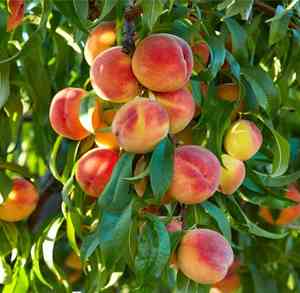
1
All other components of the peach plant are highly poisonous to humans and animals because of cyanogenic glucosides.
2
The harmful substance in peach intensifies in potency as the plant ages and wilts, elevating its toxicity.
3
Should it be consumed, peach can lead to severe, potentially fatal symptoms like labored breathing, muscle spasms, and circulatory collapse.
Is Peach toxic to humans?
While peach fruits are safe to eat, other parts of this plant are highly poisonous and can harm people if consumed. Ingesting the toxic components can lead to severe, potentially fatal, consequences. The branches, foliage, and pits within the fruit contain harmful cyanogenic glucosides. Symptoms caused by this compound include respiratory distress, muscle spasms, and circulatory collapse. These effects can be life-threatening. Due to the fruit's popularity, there's a higher chance of accidental ingestion of the dangerous seeds.
Is Peach toxic to cat?
Despite its fruit being a human favorite, all other parts of the peach (Prunus persica) plant are highly poisonous to animals due to the cyanide in its stems, leaves, and seeds. This cyanide grows stronger as the plant ages and wilts, making withered plants more dangerous than young ones. Consumption can cause reddened gums, enlarged pupils, labored breathing, rapid panting, and collapse. Veterinary attention is recommended.
Is Peach toxic to dog?
All components of a peach tree are extremely poisonous to canines. If you suspect your dog has consumed any part of this plant, contact your vet WITHOUT DELAY. Cyanide is concentrated in the stalks, leaves, and pits (though the peach fruit itself is cyanide-free). Symptoms begin with dilated pupils and heavy breathing, but can escalate to shock and involuntary muscle contractions.



