The Hidden Danger in Your Home? Unmasking the Toxicity of the Apricot Plant.
1
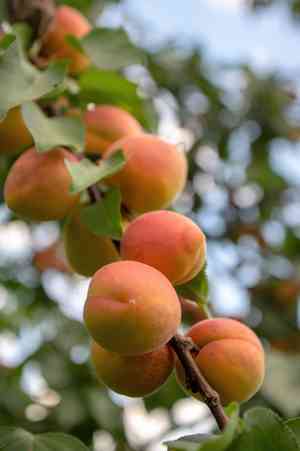
Apricot contains cyanide precursors in all components, excluding the fruit, which transform into cyanide gas within the digestive system.
2
The cyanogenic substances are most potent when the apricot plant is withering or developing, elevating its toxicity.
3
Every section of the apricot tree is highly poisonous to canines and can be fatal if not promptly addressed.
Is Apricot toxic to humans?
Apricots, similar to most plants in the *Prunus* family, contain cyanide precursors in all components except the fruit. When humans consume the seeds, leaves, or other plant parts, these cyanotoxins transform into cyanide gas upon contact with stomach acid. This gas is absorbed through mucous membranes, leading to poisoning. Symptoms escalate from restlessness to weakness, impaired coordination, muscle spasms, speech and movement difficulties, reduced breathing and heart rate, and ultimately, fatality.
Is Apricot toxic to cat?
Highly toxic to felines, ingesting any portion of the apricot (Prunus armeniaca) plant can cause emesis, respiratory distress, dilated pupils, or collapse. The cyanogenic compounds found in the stems, foliage, and seeds of this plant are especially potent when the plant is wilting, making older or decaying plants more hazardous than young, healthy ones. Professional veterinary care is recommended.
Is Apricot toxic to dog?
Every part of the apricot tree poses extreme toxicity to canines. While the seeds hold the highest concentration of the toxin, cyanide, the entire plant is poisonous if consumed and can result in death if the animal doesn't receive prompt veterinary care. Signs of ingestion include excessive salivation, agitation, vomiting, bloody feces, watery eyes, and lethargy.



