The Hidden Danger in Your Home? Unmasking the Toxicity of the Chickasaw plum Plant.
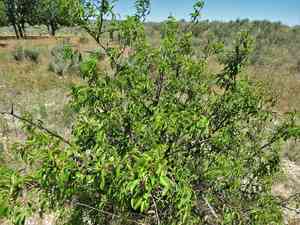
1
The Chickasaw plum plant has cyanide precursors in all parts except its fruit.
2
When cyanotoxins encounter stomach acid, they transform into cyanide gas.
3
Signs of exposure involve restlessness, impaired coordination, and possibly fatality.
Is Chickasaw plum harmful to people?
The Chickasaw plum, similar to almost all plants in the *Prunus* family, contains cyanide-forming compounds in all its components, including the seeds, except for the fruit itself. If a person consumes the seeds, leaves, or any other part of the plant besides the fruit's pulp, these cyanotoxins transform into cyanide gas upon contact with stomach acid. This gas is absorbed through mucous membranes, leading to poisoning. Symptoms escalate from restlessness to feebleness, impaired coordination and muscle twitching, trouble with movement or speech, decreased breathing and heart rate, and ultimately, fatality.



