The Hidden Danger in Your Home? Unmasking the Toxicity of the Parsnip Plant.
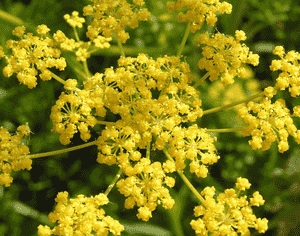
1
Parsnip presents a significant poisoning hazard to felines if consumed, leading to intense physical distress and potentially fatal outcomes.
2
Every part of the parsnip plant is poisonous and can lead to serious digestive problems and possibly deadly signs in canines.
3
Exposure to parsnip triggers phytophotodermatitis, a serious skin ailment marked by erythema, pruritus, a burning sensation, and edema.
Is Parsnip harmful to people?
Parsnip is a somewhat poisonous plant capable of causing skin reactions. Its leaves, stalks, and blossoms contain furocoumarins, compounds that can lead to intense skin irritation. This skin eruption is known as phytophotodermatitis and can be quite severe. Symptoms include redness, itching, burning sensation, and swelling where contact occurred. Increased sensitivity to sunlight is another frequent sign of parsnip exposure. Occasionally, the rash is serious enough to result in lasting scars. If consumed, the plant will also induce stomach upset.
Is Parsnip harmful to felines?
Parsnip presents a significant poisoning hazard to cats if consumed. Every component of parsnip is toxic, and even small quantities can lead to considerable health problems. When a cat consumes parts of parsnip, they might experience intense physical discomfort, sickness, or pain. It is crucial for cat guardians to prevent their pets from encountering parsnip, and if poisoning is suspected, they must promptly seek veterinary assistance at a clinic to address any potentially life-threatening conditions.
Is Parsnip harmful to canines?
Parsnip presents a high toxicity danger to dogs. Dogs can be poisoned by this plant if they consume any part of it, as all sections are toxic. If a dog ingests parsnip, they might display signs such as digestive upset, excessive salivation, feebleness, disorientation, and in severe instances, convulsions or unconsciousness. It is vital for dog owners to prevent their pets from accessing parsnip and to supervise them closely if they are in an area where the plant grows. Should a dog consume any part of parsnip, immediate veterinary care is essential to manage the poisoning effectively.



