The Hidden Danger in Your Home? Unmasking the Toxicity of the Corn poppy Plant.
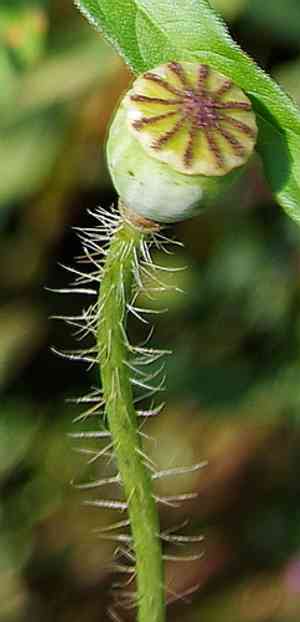
1
Contains rhoaedine: ingestion of corn poppy leaves or flowers may lead to mild sedation, emesis, queasiness, and disorientation.
2
Harmful to animals: corn poppy poses a specific threat to felines and canines if eaten, particularly its seeds.
3
Decorative and invasive: Although poisonous, corn poppy is a favored garden flower and a prevalent farm weed.
Is Corn poppy harmful to people?
The corn poppy presents a slight toxicity risk to humans. Consuming the leaves or blossoms of this plant, which contain rhoaedine, might induce mild sedative effects. Vomiting, nausea, and disorientation are also potential, though infrequent, symptoms. Serious incidents are uncommon. Corn poppies are favored as decorative plants and are also a widespread agricultural weed. Despite frequent human exposure, instances of corn poppy poisoning are exceedingly rare. This plant has no similar-looking edible counterparts.
Is Corn poppy harmful to felines?
Corn poppy is poisonous to cats, with its seeds posing a notable danger if consumed. Cats might inadvertently eat parts of the corn poppy, leading to various signs of physical discomfort. Should poisoning occur, prompt action and immediate veterinary attention are crucial, as timely intervention is essential for a cat's recuperation. When handling this plant, exercise caution to prevent your feline companions from ingesting or contacting its seeds.
Is Corn poppy harmful to canines?
Corn poppy is deemed poisonous to dogs. Dogs can suffer poisoning from this plant if they consume it accidentally, with the seeds being especially toxic. Following ingestion of corn poppy parts, a dog might display symptoms like digestive upset, sluggishness, or more severe clinical indicators depending on the quantity consumed. It is vital for dog owners to supervise their pets and restrict access to corn poppy. If a dog ingests any part of corn poppy, particularly the seeds, it is imperative to seek immediate veterinary care to ensure the best possible outcome for the animal.



