The Hidden Danger in Your Home? Unmasking the Toxicity of the Oriental poppy Plant.
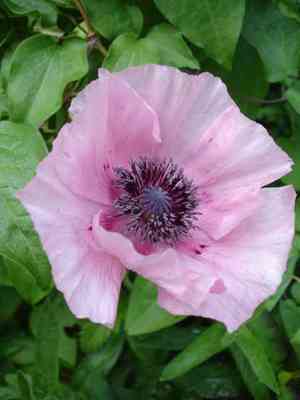
1
Oriental poppy poses a toxicity risk to people, felines, and canines, potentially leading to severe health problems if consumed.
2
Signs of oriental poppy intoxication in animals may encompass digestive distress, sluggishness, excessive salivation, emesis, and loose stools.
3
Prompt veterinary attention is essential if oriental poppy poisoning is suspected to safeguard your pet's well-being.
Is Oriental poppy harmful to people?
No verified instances of oriental poppy poisoning in humans exist; however, numerous related species within its genus are highly poisonous to people. It is presumed that Oriental poppies also possess these same toxins if any portion of the plant is consumed. Potential poisoning symptoms might involve shallow respiration, drowsiness, circulatory system depression, and unconsciousness. Avoid confusing these poppies with other varieties whose seeds are utilized as a culinary spice.
Is Oriental poppy harmful to felines?
Oriental poppy is deemed harmful to cats, with every component of the plantâincluding blossoms, fruits, foliage, roots, seeds, stalks, and outer coveringâposing potential risks. Cats might inadvertently consume portions of oriental poppy, which can result in poisoning incidents. Following such consumption, a cat could exhibit general signs of physical unease or sickness. Since the precise toxic compounds within oriental poppy are not specified, caregivers should be attentive to any negative health alterations in their cats. Prompt veterinary attention is crucial for any suspected poisoning to safeguard the affected feline's health and welfare.
Is Oriental poppy harmful to canines?
Oriental poppy is regarded as harmful to dogs. Canines might accidentally consume parts of the plant, such as blossoms, fruits, foliage, roots, seeds, stalks, or outer covering. After consuming oriental poppy, a dog could display symptoms indicative of poisoning. These symptoms may encompass digestive upset, sluggishness, excessive salivation, regurgitation, and loose stools. It is vital for dog guardians to closely observe their pets and restrict access to oriental poppy to prevent accidental ingestion. If a dog does consume any part of oriental poppy, immediate veterinary care is essential to ensure the best possible outcome for the animal.



