The Hidden Danger in Your Home? Unmasking the Toxicity of the Golden ragwort Plant.
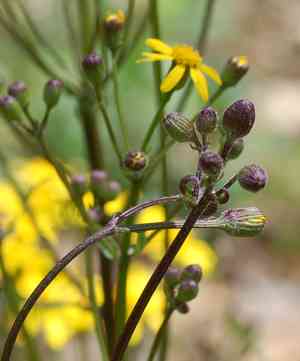
1
Every component of golden ragwort, such as its foliage and blooms, is toxic, yet significant quantities are needed to induce symptoms.
2
Golden ragwort contains pyrrolizidine alkaloids that can harm animal livers, though this is uncommon in people.
3
Pet owners should promptly consult a veterinarian if their animals display indications of golden ragwort toxicity.
Is Golden ragwort toxic to humans?
Golden ragwort is slightly poisonous if consumed. Every part of the plant, including its foliage and blooms, contains toxins, though a substantial quantity must be eaten before any signs manifest. The plant contains pyrrolizidine alkaloids that could potentially harm the liver, although no human cases have been documented. Poisoning symptoms might include sluggishness, disorientation, and skin discoloration. To cause liver damage, multiple large plants would need to be consumed daily for at least two weeks. It is exceedingly rare for a person to experience golden ragwort poisoning.
Is Golden ragwort toxic to cat?
Golden ragwort presents a low toxicity hazard to cats. Felines might suffer poisoning if they ingest a considerable quantity of the plant's foliage. Upon direct contact with golden ragwort, cats may begin to exhibit general indicators of physical unease or sickness. It is vital for cat guardians to observe their pets for any signs of distress and to promptly seek veterinary attention if any negative reactions are noticed. Swift and expert treatment is crucial for the well-being of the affected cat.
Is Golden ragwort toxic to dog?
Golden ragwort presents a low toxicity risk to canines. Dogs may experience poisoning from this plant if they consume it in large quantities, especially the leaves, which are known to be toxic. Dog guardians should be watchful and prevent their pets from eating significant amounts of golden ragwort. If a dog does ingest golden ragwort, potential poisoning symptoms could include digestive upset, such as emesis or loose stools, sluggishness, or other minor signs of discomfort. It is essential for dog owners to act quickly and seek professional veterinary assistance immediately if they suspect their dog has been poisoned by golden ragwort. Prompt intervention can ensure the most favorable outcome for the affected animal.



