The Hidden Danger in Your Home? Unmasking the Toxicity of the Monstera obliqua Plant.
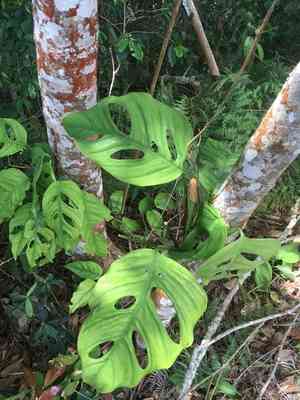
1
Monstera obliqua possesses harmful substances that lead to oral irritation and swelling, along with impaired swallowing, speech, or respiration if consumed.
2
Monstera obliqua poses a danger to felines, exhibiting signs of discomfort that necessitate immediate veterinary intervention if consumed.
3
Canines consuming monstera obliqua might suffer from emesis, loose stools, and respiratory distress; urgent veterinary assistance is essential.
Is Monstera obliqua toxic to humans?
Similar to other plants within the *Monstera* genus, *Monstera obliqua* contains harmful substances that can affect individuals upon ingestion or contact. It may lead to mild to moderate symptoms due to the oxalate crystals found throughout the plant. Ingesting the plant can result in oral burning and swelling, excessive drooling, abdominal pain, and challenges with swallowing, speaking, or breathing. If the plant's sap touches the skin, these toxins can cause skin inflammation and irritation. As a common indoor plant, *Monstera obliqua* is easily accessible to children, who are more susceptible to its adverse effects. Always wear gloves when handling the plant to avoid sap contact.
Is Monstera obliqua toxic to cat?
*Monstera obliqua* is poisonous to felines, presenting significant health dangers. Cats can suffer from poisoning if they consume any portion of *Monstera obliqua*, as every part is toxic. If a cat ingests parts of *Monstera obliqua*, they might display signs of physical discomfort, necessitating immediate veterinary care. To prevent accidental consumption, cat guardians should ensure *Monstera obliqua* is kept out of their pets' reach. In the event of poisoning, it is vital to obtain prompt treatment at a veterinary clinic to address the symptoms and provide suitable care.
Is Monstera obliqua toxic to dog?
*Monstera obliqua* is deemed harmful to canines. When dogs consume parts of this plant, they can experience poisoning due to the inherent toxicity present in all plant components. Typical ways dogs might encounter *Monstera obliqua* include accidental consumption during play or investigation. Symptoms of poisoning in dogs can appear as digestive upset, throwing up, loose stools, drooling, and in severe instances, more widespread effects like breathing difficulties or altered heart rate. It is essential that dog owners restrict access to *Monstera obliqua* and closely observe their pets for any indications of distress. Should a dog ingest *Monstera obliqua*, it is critical to seek immediate veterinary attention to ensure the best possible outcome for the affected animal.



