The Hidden Danger in Your Home? Unmasking the Toxicity of the Shame plant Plant.
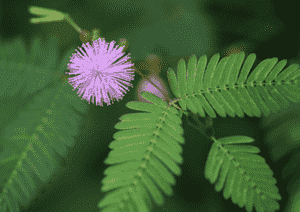
1
Signs of mimosine toxicity encompass feebleness, shedding of fur, thyroid enlargement, and reduced hunger.
2
This plant, known as the shame plant, has the potential to become an aggressive, unobserved invader in specific environmental conditions.
3
Typically, children will only take small bites of the shame plant, given its low concentration of harmful substances.
Is Mimosa pudica harmful to people?
Mimosa pudica poses minimal risk to humans, as its toxic compound, mimosine, is present in low concentrations within its tissues, and most children only take small bites. Regrettably, this plant has become an invasive species in certain regions, potentially appearing in your garden unnoticed, depending on your local climate. Should a child or an individual with cognitive impairments consume a significant quantity, they may develop mimosine poisoning. Symptoms include fatigue, hair thinning, thyroid enlargement, and reduced appetite. These symptoms typically resolve naturally once the affected individual stops ingesting the plant.



