The Hidden Danger in Your Home? Unmasking the Toxicity of the Sapodilla Plant.
1
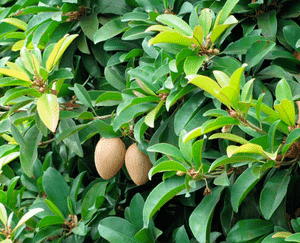
The mature foliage and seeds of Sapodilla possess harmful alkaloids and hydrocyanic acid, leading to severe reactions if consumed.
2
Even minor amounts of the toxic components in sapodilla can be hazardous, potentially inducing respiratory distress and convulsions.
3
Sapodilla presents a poisoning hazard to felines and canines, resulting in emesis, loose stools, and fits if ingested.
Is Sapodilla harmful to people?
Sapodilla exhibits a distinct level of toxicity to humans, mainly from consuming its mature leaves and seeds. These components contain a toxic alkaloid and hydrocyanic acid, which are highly poisonous compounds. When eaten, these substances can lead to severe reactions, including breathing difficulties, seizures, and low blood pressure. The intensity of symptoms varies with the amount consumed, and even small quantities can be perilous. It is vital to prevent unintentional consumption of the harmful parts, especially since sapodilla is also known for its edible fruit. The difference between the safe fruit and the unsafe toxic parts must be carefully understood to avoid poisoning.
Is Sapodilla harmful to felines?
Sapodilla presents a moderate level of danger to cats. A frequent way poisoning occurs is through accidental consumption. Cats exposed to sapodilla might show signs like throwing up, loose stools, or drooling, which signal physical distress or sickness caused by the plant. The aged leaves and seeds of sapodilla contain detrimental elements, including a poisonous alkaloid and hydrocyanic acid, known to be dangerous. It is crucial to understand that if a cat displays any of these indicators after contact with sapodilla, prompt veterinary attention is a critical measure for recovery.
Is Sapodilla harmful to canines?
Sapodilla is categorized as moderately toxic to dogs. Dogs might inadvertently consume parts of the plant, such as old leaves and seeds, which are recognized as poisonous. After ingestion, a dog might display signs indicating poisoning. These symptoms can encompass vomiting, diarrhea, sluggishness, labored breathing, and convulsions. It's imperative for dog guardians to be watchful and stop their pets from reaching sapodilla. Should a dog consume any part of sapodilla, it is essential to seek immediate veterinary assistance to ensure the most favorable outcome for the affected animal.



