The Hidden Danger in Your Home? Unmasking the Toxicity of the Hall crabapple Plant.
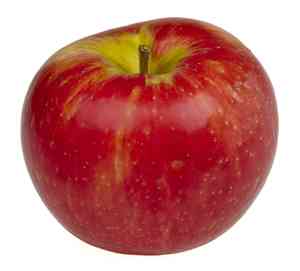
1
The seeds of the Hall crabapple are the poisonous component that can be detrimental to felines and canines.
2
Ingesting Hall crabapple seeds can lead to emesis, loose stools, or stomach discomfort in dogs.
3
Prompt veterinary attention is essential if there's a suspicion a pet has consumed Hall crabapple seeds.
Is Hall crabapple toxic to cat?
Hall crabapple presents a slight toxicity danger to felines. Should cats ingest a large quantity of this plant's seeds, they might face poisoning. Although the specific toxic compounds in the plant are not identified, it's vital to understand that the seeds are the harmful component. If a cat consumes a considerable amount of these seeds, it could display general signs of physical unease, signaling a toxic response. Cat guardians should immediately consult a veterinarian if they suspect their cat has been poisoned by hall crabapple to ensure the most favorable result.
Is Hall crabapple toxic to dog?
Hall crabapple presents a minor toxicity hazard to canines, mainly if they consume the seeds in large quantities. Dogs that ingest these plant parts might show symptoms indicative of poisoning. While the exact toxic agents are not specified, dog owners should watch for any signs of distress like vomiting, diarrhea, or stomach discomfort after their pet has been near hall crabapple. It's crucial for pet owners to prevent their dogs from reaching areas where they could consume many seeds. If a dog is thought to have been poisoned by hall crabapple, immediate veterinary attention is essential for appropriate treatment and symptom management.



